1. Application Scenarios and Material Compatibility
A PPR welding machine is designed for socket fusion of thermoplastic piping systems including PPR, PE, PB, and PP-R.
Before procurement, define your application scenario, as each use case requires different performance levels:
- Home plumbing installations
- Construction and contractor projects
- HVAC and heating systems
Different environments demand different durability, temperature stability, and continuous working capability..
2. Pipe Diameter Requirements: The Primary Specification
Pipe diameter is the first parameter that determines your machine configuration.
Common size ranges include:
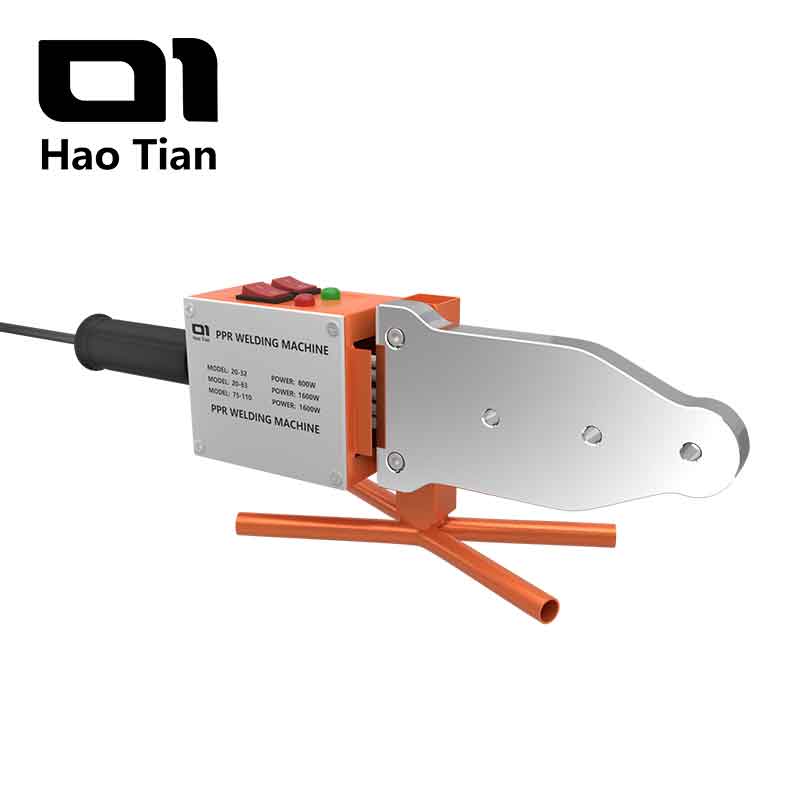
- 20–32 mm for domestic installation
- 20–63 mm for general engineering projects
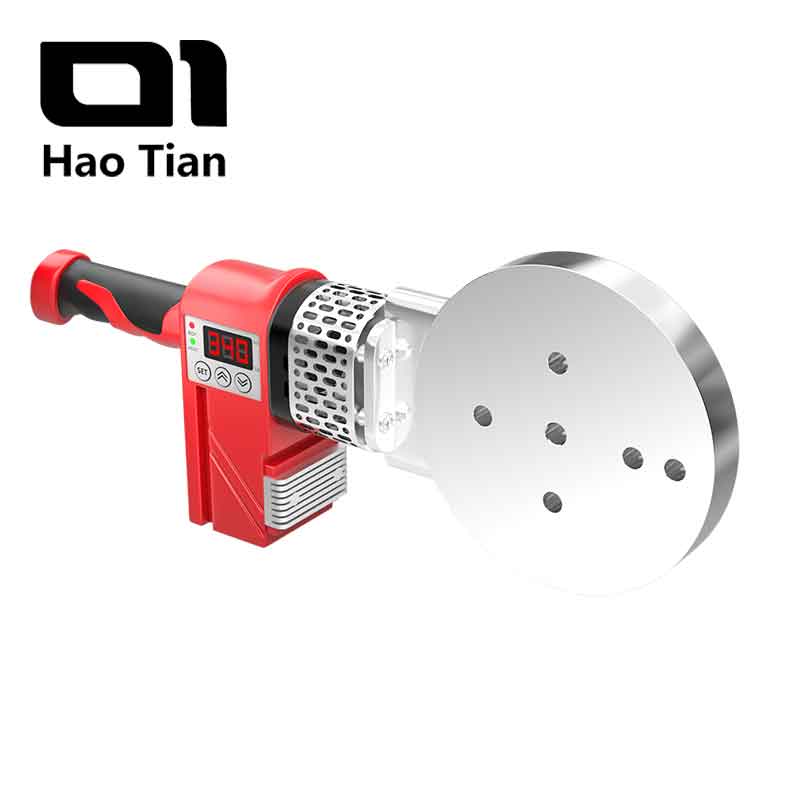
- 75–110 mm for industrial or large-scale construction
Pipe size determines:
- The number of welding molds required
- Power output
- Heating structure
- Overall machine class
3. Temperature Control System: Constant vs. Adjustable
Your operational environment dictates the needed temperature control system.
Constant Temperature
- Operating range: 250–280°C
- Suitable for basic home or light-duty use
- Simple, stable, cost-efficient
Adjustable Temperature
Provides better control under varying ambient temperatures
Operating range: 50–340°C
Necessary for multi-material welding (PPR/PE/PB/PP-R)
Suitable for construction, engineering, and industrial tasks
4. Power Output and Heating Tube Configuration
Power configuration directly affects heating speed and stability.
Single Heating Tube
- Economical
- Stable performance
- Suitable for standard PPR applications
Dual Heating Tube
- Faster heating speed
- Better temperature recovery
- Recommended for professional and high-volume engineering use
Power Range:
Typical output for PPR welding equipment falls between 600W and 2000W, depending on pipe diameter and working conditions.
5. Heating Plate Thickness: The Core Indicator of Thermal Stability
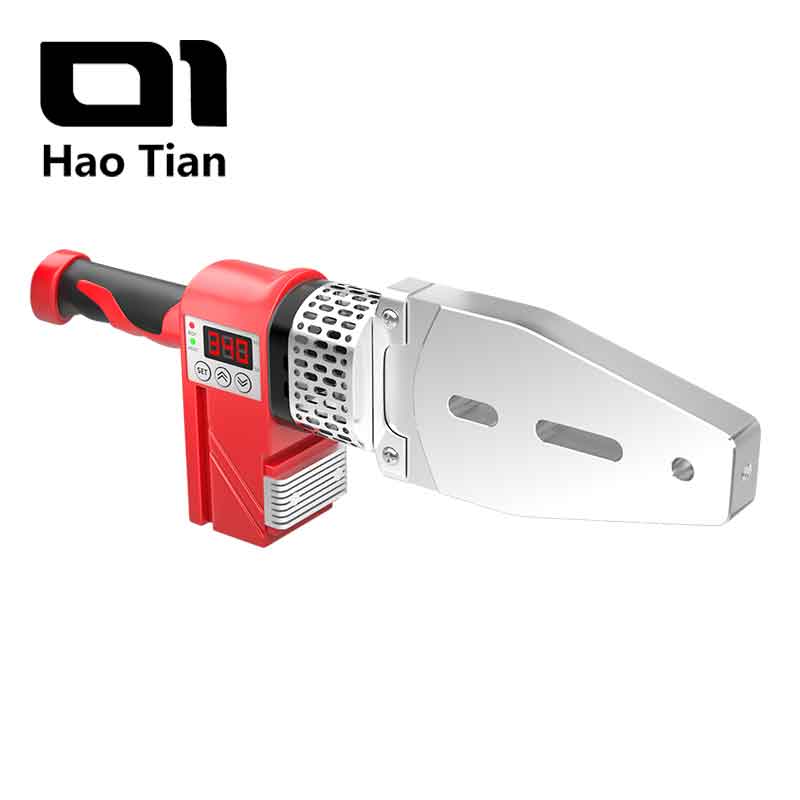
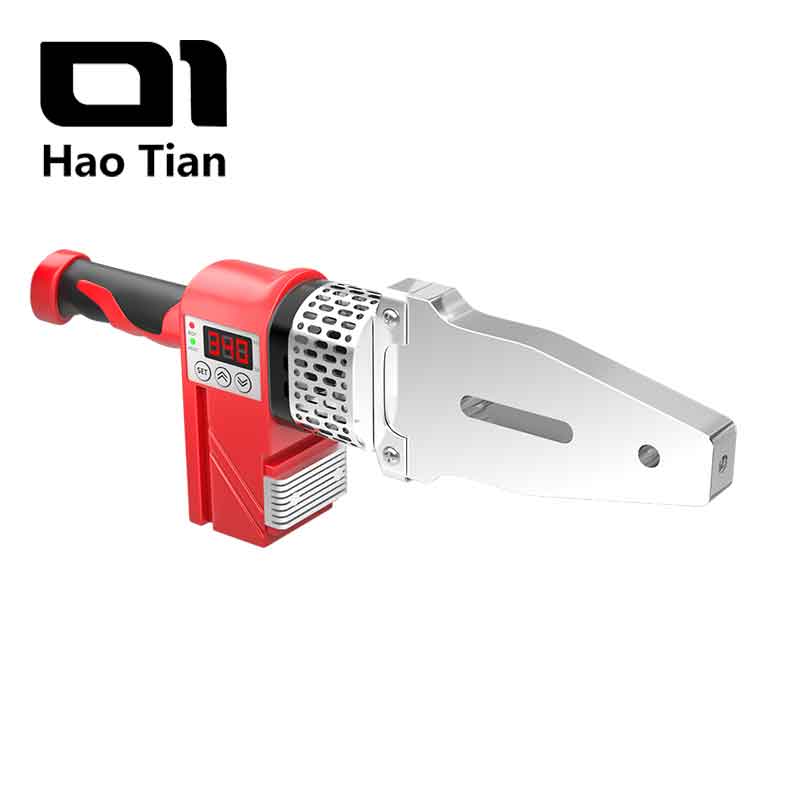
All PPR welding machines use aluminum heating plates.
The thicker the plate, the better the thermal stability.
- Thin plates heat quickly but lose temperature faster
- Thicker plates maintain stable heat, improve energy efficiency, and deliver cleaner welds
Heating plate thickness directly influences weld strength and consistency, especially during continuous operations.
6. Power Cable Quality: A Key Safety Factor for Frequent Use
Cable quality is often overlooked but critical for safety and durability.
Recommended options include:
- Heat-resistant rubber power cables
- Thick copper-core wiring
- Certified cables (VDE / UL) for international compliance
Standard PVC cables are not suitable for long-term high-temperature environments and degrade faster.
7. Welding Mold Quality: The Largest Influence on Weld Quality
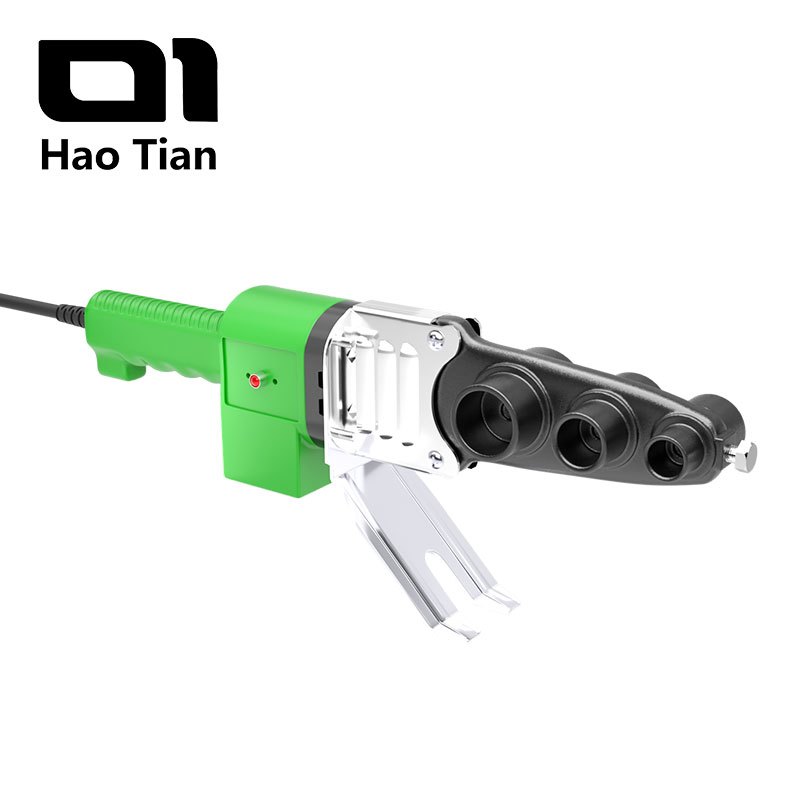
Molds (welding heads) determine the final weld appearance and strength more than any other component.
Coating Options
Premium imported coatings – best durability, ideal for engineering-grade welding
Basic coating – entry-level use
Teflon coating – non-stick, high-temperature performance
Thicker molds maintain heat more effectively and deliver more consistent weld results during continuous cycles.
8. OEM/ODM Capability: A Key Requirement for International Buyers
Most global distributors require customized branding.
Verify whether the supplier supports:
- Custom machine colors
- Logo printing or laser engraving
- Customized tool box / steel box colors
- Voltage and plug customization
- Custom temperature control boards
- Private-label packaging
OEM/ODM capability is a major differentiator in competitive markets.
9. Sample Availability for Inspection and Testing
Professional buyers typically test samples before mass purchasing.
Confirm:
- Whether samples are available
- Whether sample quality matches mass production
- Whether customization (logo/color) can be applied to samples
- Whether molds and heating components match the final product specification
Samples reduce procurement risk and accelerate decision-making.
10. Common PPR Welding Machine Technical Data
Below are standard reference values used during sourcing, quotation, and logistics:
- Welding Material: PPR / PE / PB / PP
- Voltage: 110–120V / 220–240V
- Power Range: 600W – 2000W
- Temperature Range: 0–300°C
- Heating Plate Material: Aluminum
- Mold Thickness: 1.4 / 1.8 / 2.0 mm
- Packaging Size: 40 × 15 × 10 cm
- Certifications (optional): CE, ISO
- HS Code: 8515800090
As a professional PPR welding machine manufacturer, Haotian provides various PPR welding machines and complete sets of accessories. As a professional PPR welding machine factory, we can fully customize your PPR welding machine, including color, brand, structure, packaging, and technical specifications, all of which can be provided at highly competitive prices. If you need more key data on PPR welding procurement, please feel free to contact us at any time. We can provide comprehensive procurement guidance and technical advice. We also welcome you to visit our factory for on-site inspection.
View our products:all products