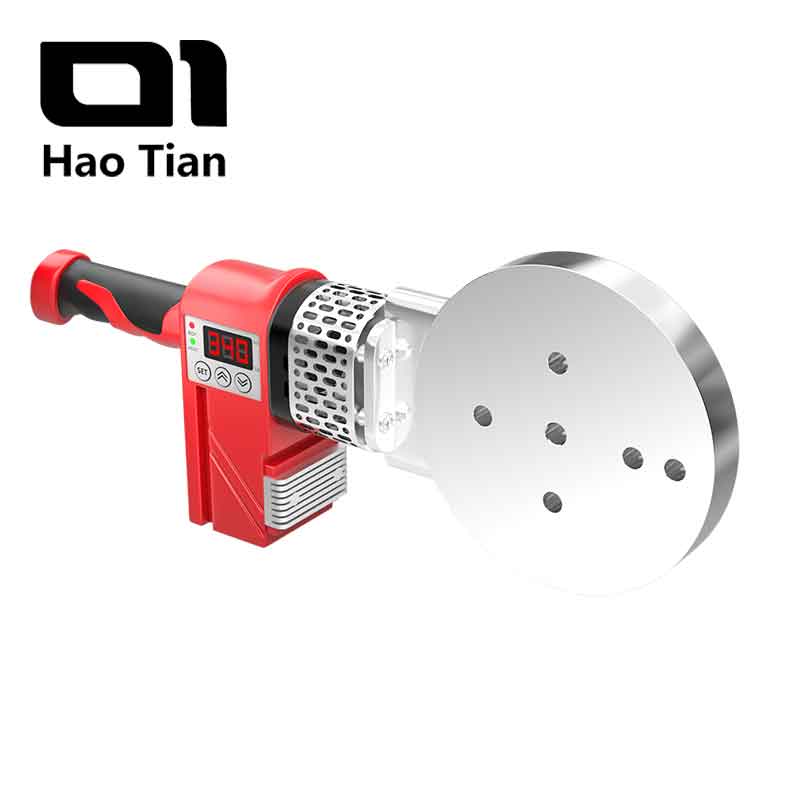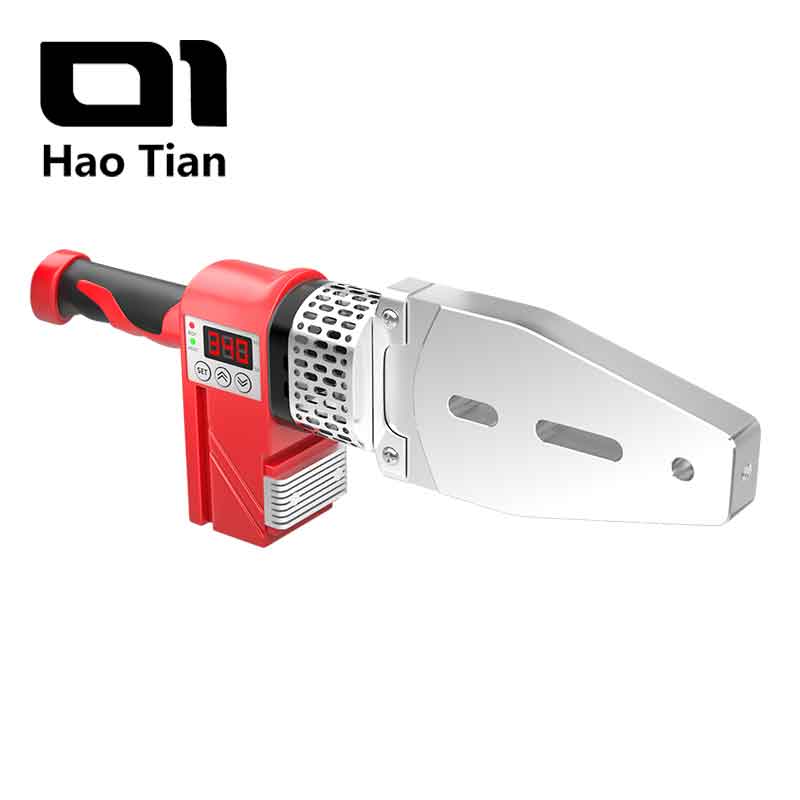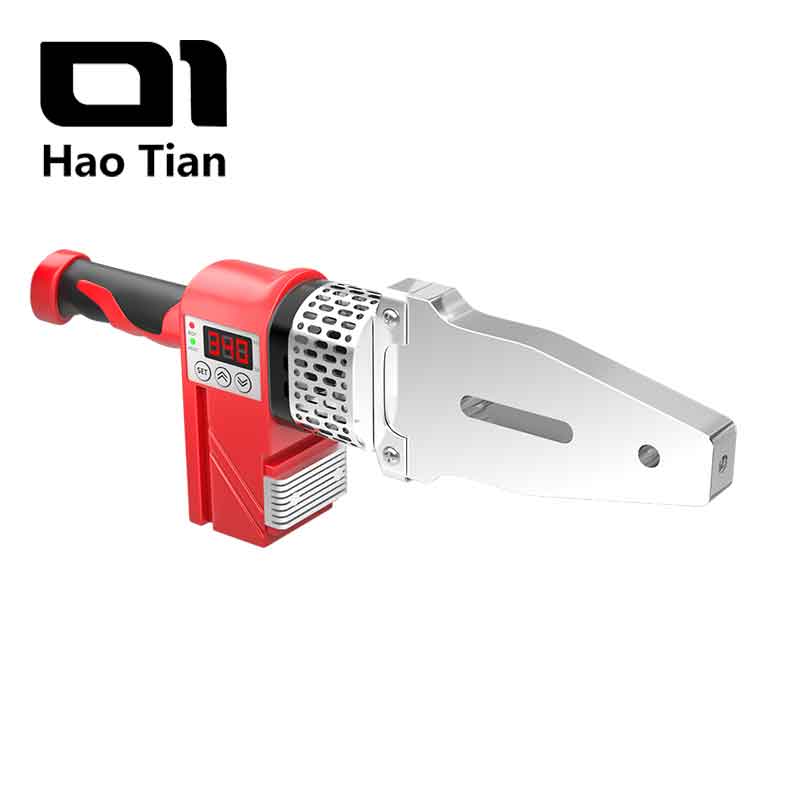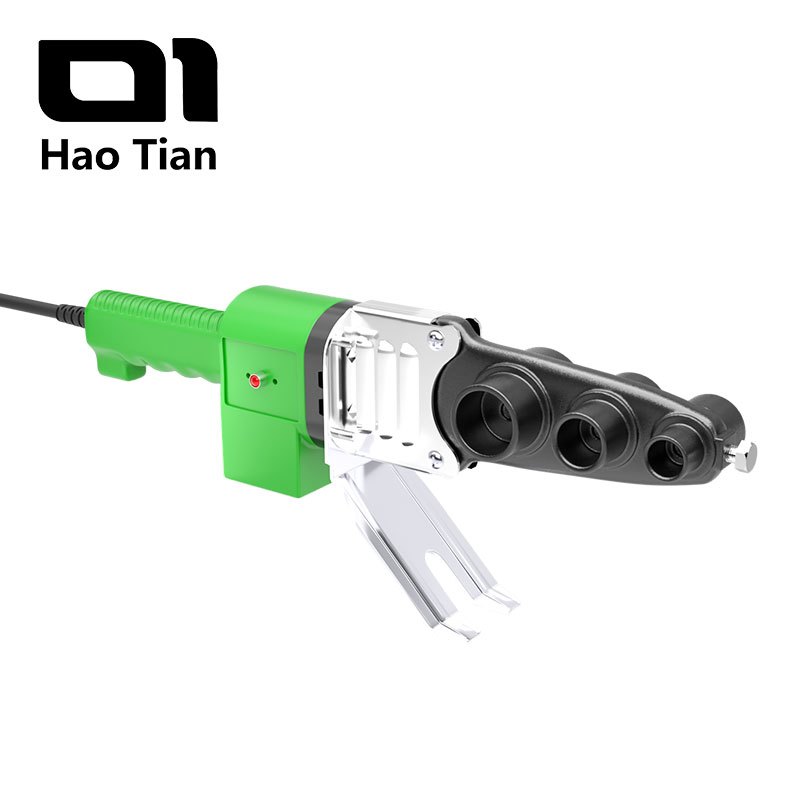
As global construction shifts from traditional metal piping to high-performance thermoplastic systems, PPR pipe networks have become the standard across residential, commercial, and industrial projects. This evolution increases global demand for stable, efficient, and durable PPR welding machines. However, PPR welding machine price varies widely across markets, causing confusion for international buyers—especially when comparing factory-direct suppliers, regional distributors, and retail platforms.
1. Why PPR Welding Machine Price Differs Across Global Markets
1.1 Growing Global Adoption of PPR Systems
PPR piping is recognized worldwide for its high temperature resistance, corrosion resistance, long service life, and ease of installation. The increasing shift toward PPR systems naturally drives demand for welding machines across Asia, the Middle East, Europe, Africa, and Latin America. As demand broadens, suppliers offer a wide spectrum—from basic domestic-use welders to advanced MCU-controlled digital systems—resulting in significant price diversity.
1.2 Why Price Gaps Exist Between Regions
The wide regional price span is driven by multiple manufacturing and supply-chain factors:
- Mold and tooling investment
- Differences in material quality
- Automation level and production efficiency
- Labor and energy cost variations
- Branding and multi-layer distribution markup
China remains the most competitive global manufacturing hub due to its complete industrial ecosystem, including large-scale factories, advanced CNC and coating lines, and strong OEM/ODM capacity. This cluster advantage enables Chinese suppliers to maintain quality while offering significantly better pricing.
1.3 Why Buyers Need a Professional Pricing Guide
The category “PPR welding machine” covers a wide range of technologies and performance levels, making price comparison meaningless without context. A proper evaluation must consider intended usage: small repairs, residential plumbing, commercial installations, industrial piping, bulk distribution, or branded OEM development.
2. PPR Welding Machine Price Categories
2.1 Manual PPR Welding Machines
These devices dominate global usage and are divided into:
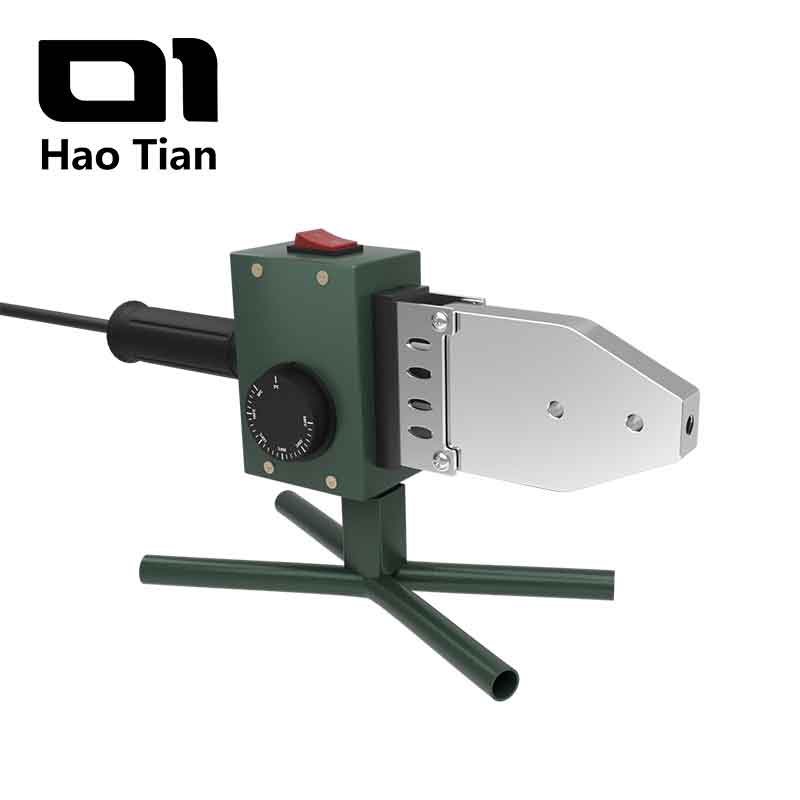
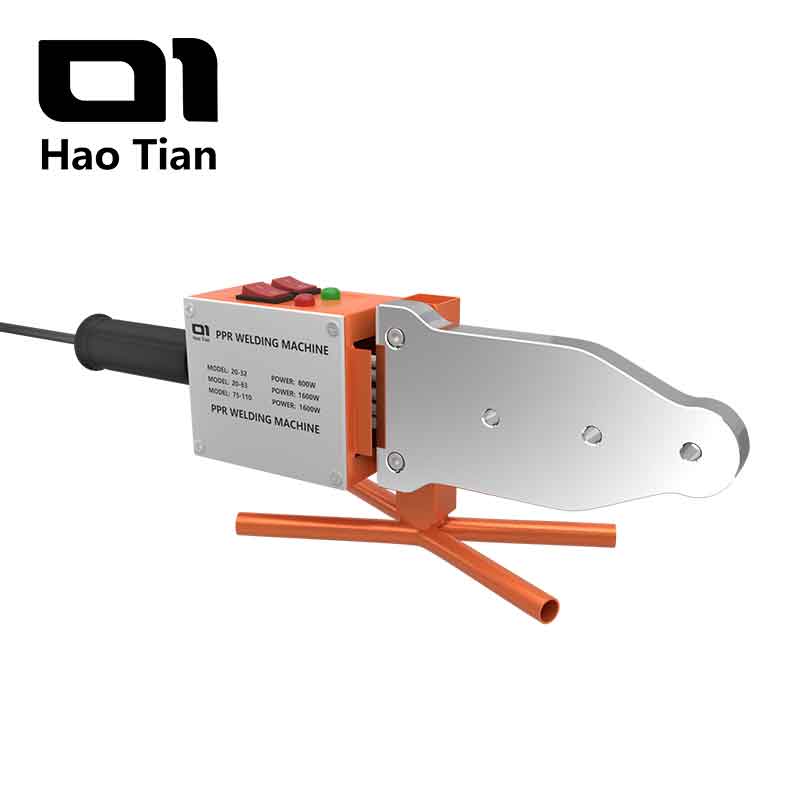
- Entry-Level Models: Basic thermostats, lightweight heating plates
- Mid-Range Models: More stable heating, improved temperature control
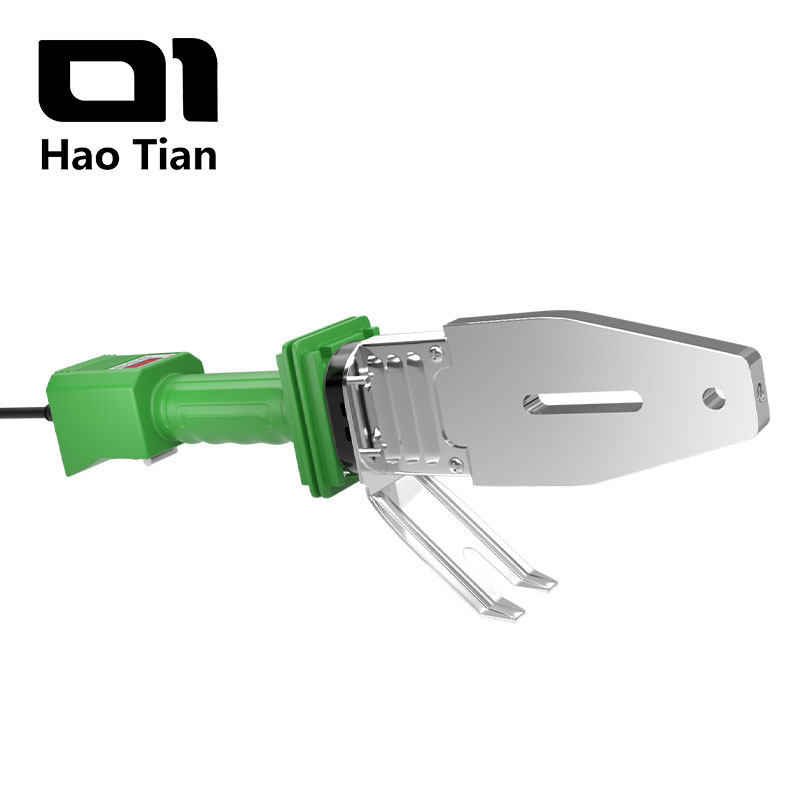
- Digital Display / MCU Models: Higher precision, faster heat recovery, engineered for contractors
2.2 Engineering-Grade PPR Butt Fusion Welders
Used for large-diameter piping in municipal, industrial, and commercial projects.
Offered as:
- Standard type
- Reinforced heavy-duty type
2.3 OEM / ODM Cost Framework
Brand owners may request custom colors, packaging, logos, die head specifications, advanced PCBs, or unique molds. Pricing depends heavily on customization scope and production volume.
2.4 International Add-On Costs
Even with factory-direct purchasing, total landed cost is influenced by:
Import tariffs, VAT/GST, freight fluctuations, customs inspection fees, and mandatory certifications required in the destination market.
3. Technical Factors That Determine PPR Welding Machine Price
3.1 Heating System Engineering & Thermal Efficiency Impact on PPR Welding Machine Price
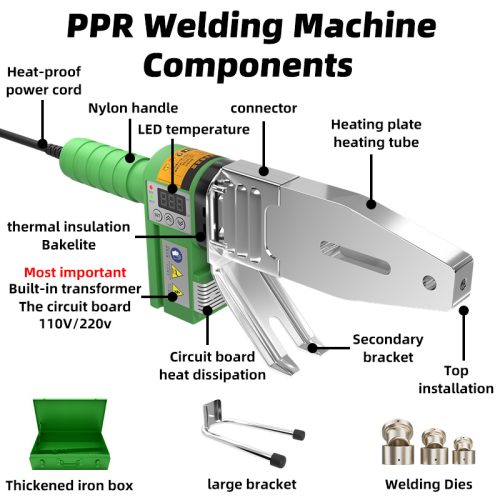
The heating system is the primary cost driver. High-quality cast-aluminum plates, thicker heating cores, and efficient thermal distribution require advanced tooling and precise machining. Entry-level units use lighter plates and basic heater tubes, while professional models rely on heavier plates and higher-efficiency elements to maintain long-term thermal stability. Handle materials also contribute to cost: PP handles for basic units; reinforced nylon handles for professional use.
3.2 Temperature Control Technology, Power Output & Their Influence on PPR Welding Machine Cost
Temperature regulation plays a decisive role in pricing.
- Mechanical thermostats: Low cost, high temperature deviation
- Digital controllers: Improved stability
- MCU control boards: High precision and rapid thermal recovery
Higher power ratings (800W–2000W) increase component requirements, insulation standards, and electrical safety design—further elevating cost.
3.3 Die Head Materials, Certifications & Factory Scale as Price Determinants
Die head quality—including aluminum vs. copper and Teflon coating durability—heavily affects overall value. Compliance requirements (CE, ISO, RoHS) add certification cost, while factories with automated production lines achieve better consistency and lower per-unit cost. Brand-driven distribution channels inflate final retail prices, while factory-direct supply keeps pricing aligned with real production value.
4. How to Evaluate the Real Value Behind a PPR Welding Machine Price
4.1 Welding Stability, Temperature Accuracy & Overall Performance Value
The real value of a PPR welding machine lies in its ability to maintain stable heating across continuous cycles. Minimal temperature deviation ensures strong, consistent joints and reduces the risk of cold welding and installation failures—critical for long-term pipe network reliability.
4.2 Durability, Internal Component Quality & Lifetime Operating Cost
Long-term value depends on durable heater tubes, reinforced wiring, reliable thermostats or MCU controllers, and impact-resistant handles. High-grade Teflon die head coating reduces sticking and wear, ensuring consistent weld quality across hundreds of uses. Inferior machines may appear cheaper but fail earlier, resulting in higher lifetime costs.
4.3 OEM Flexibility, After-Sales Support & Supplier Capability Impact on Value
For distributors and brands, supplier capability determines long-term business scalability. Reliable suppliers offer OEM customization, stable mass production, clear technical guidance, and available spare parts. Automated production and compliance experience improve supply-chain stability, reduce risk, and enhance overall value compared with trading-only channels.
5. Conclusion: Choosing the Right PPR Welding Machine at the Right Price
A strategic purchasing decision balances machine performance, durability, application needs, supplier capability, and long-term operating cost. Buyers should avoid unrealistically cheap models with unstable temperature systems and focus instead on machines engineered for their actual project requirements.
Manufacturers like Haotian PPR Welding Machine Factory—equipped with full-scale PPR welding machine production lines, temperature-control PCB manufacturing, and global OEM/ODM experience—offer stable quality and competitive pricing for international buyers.