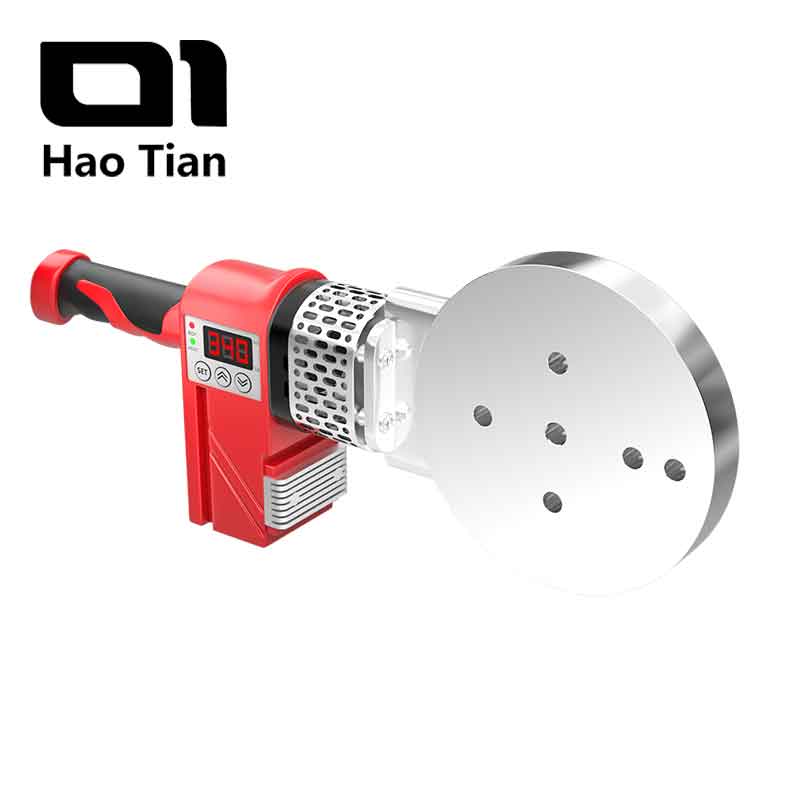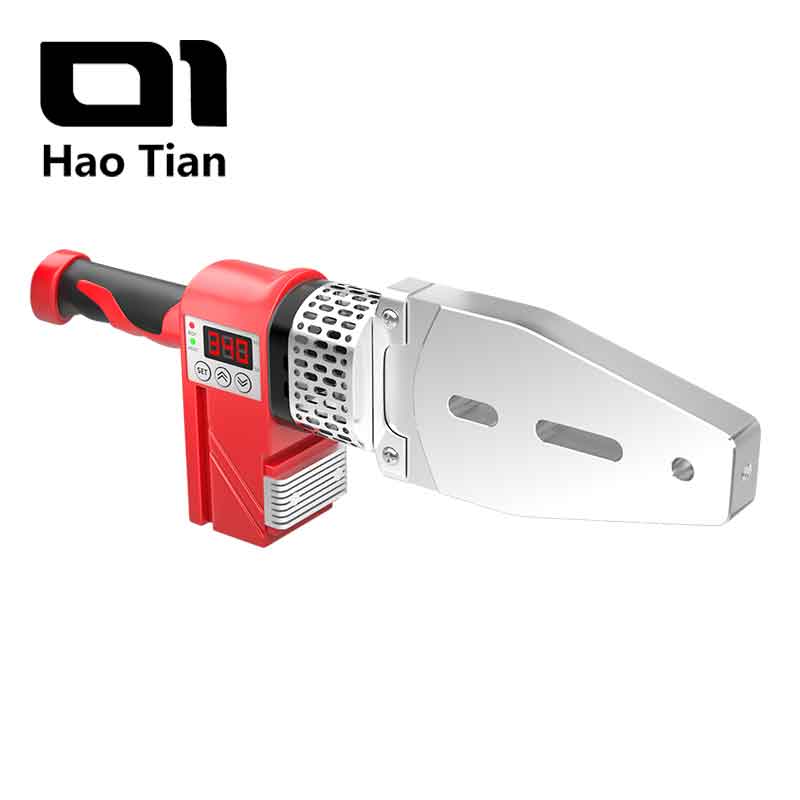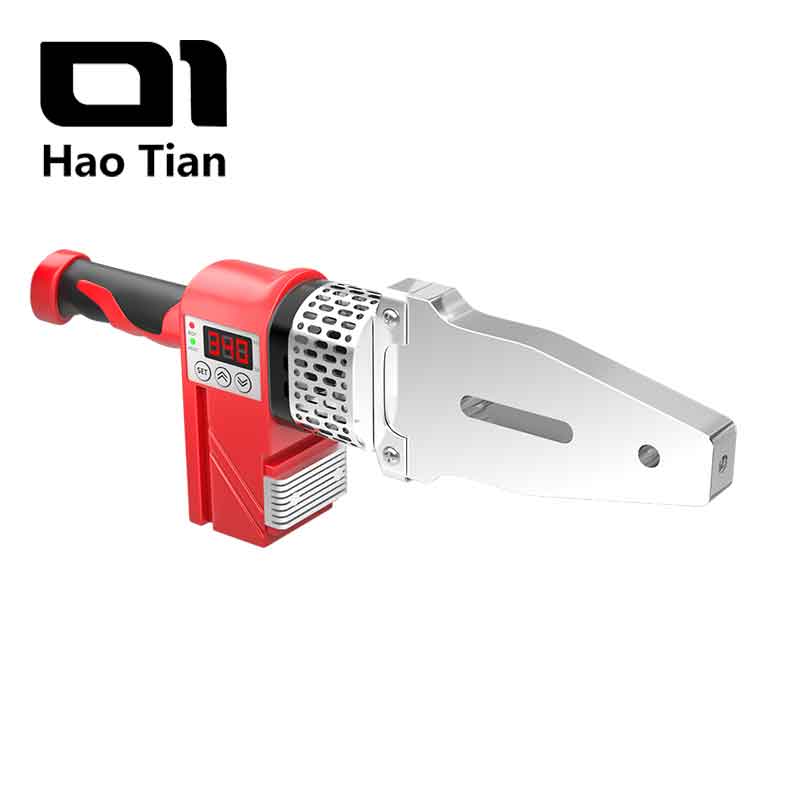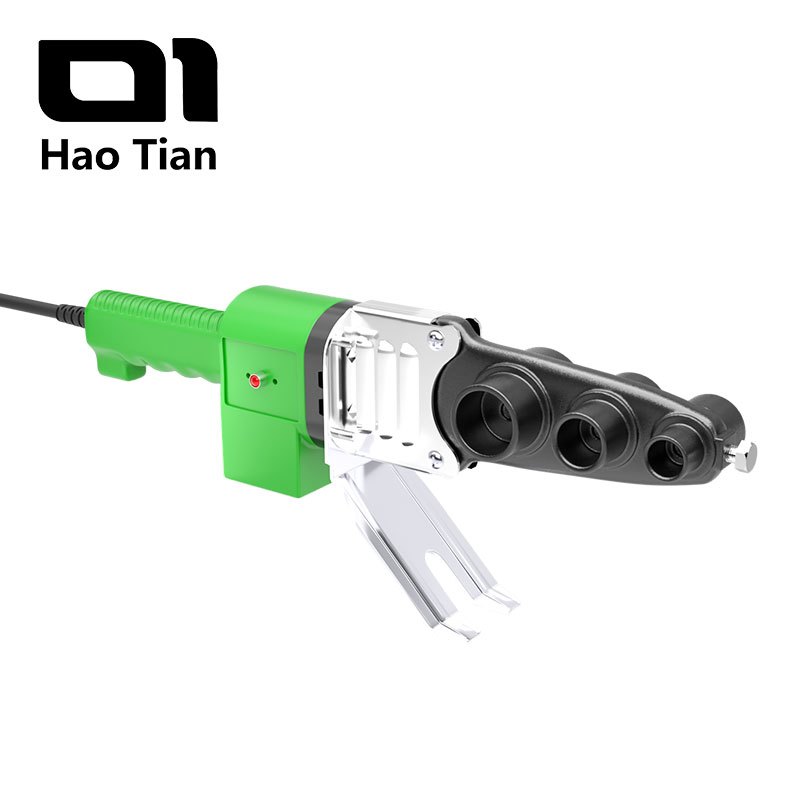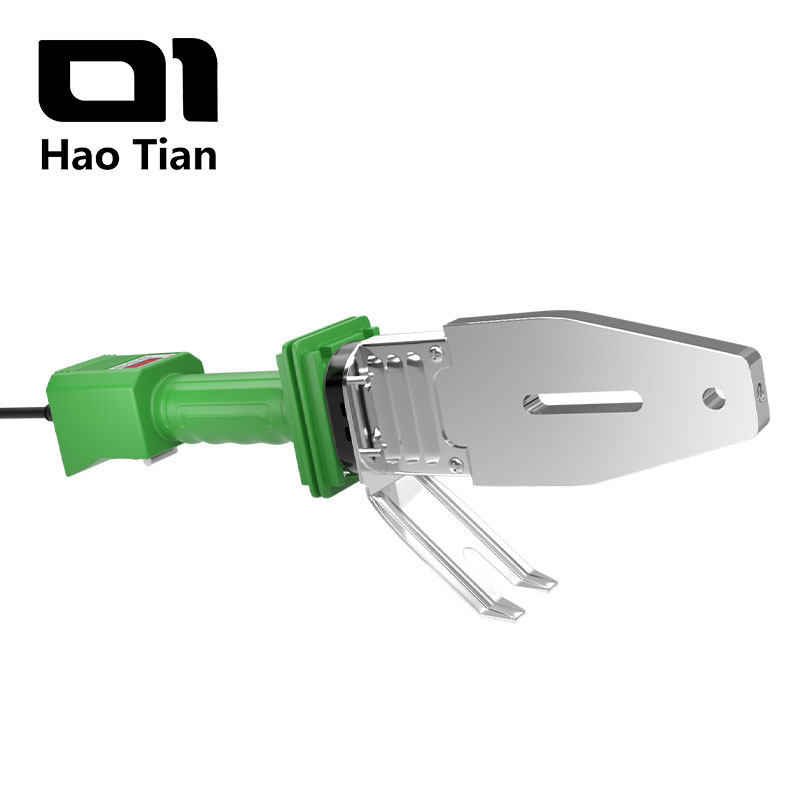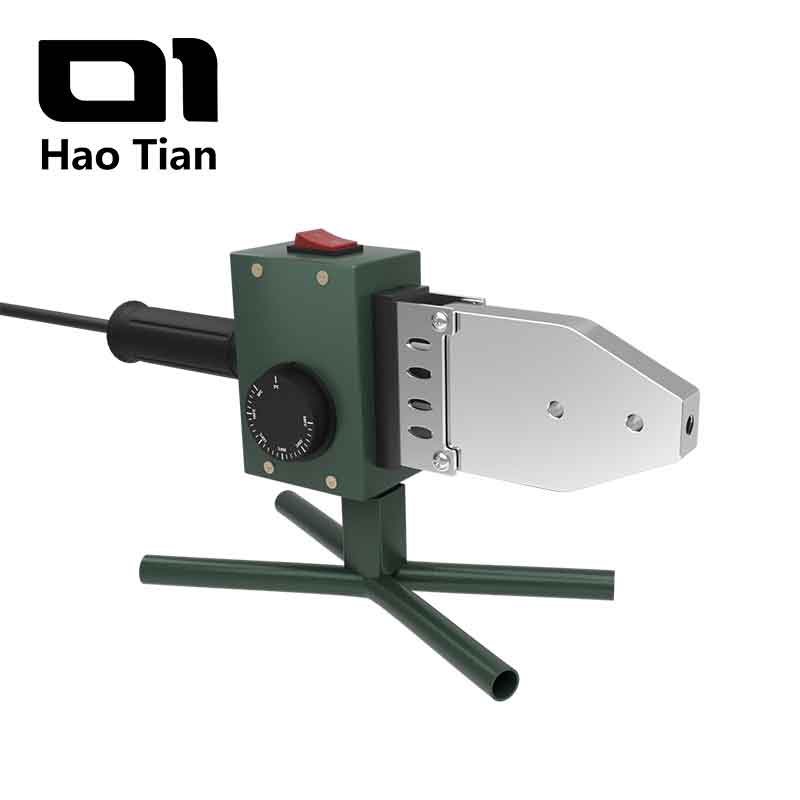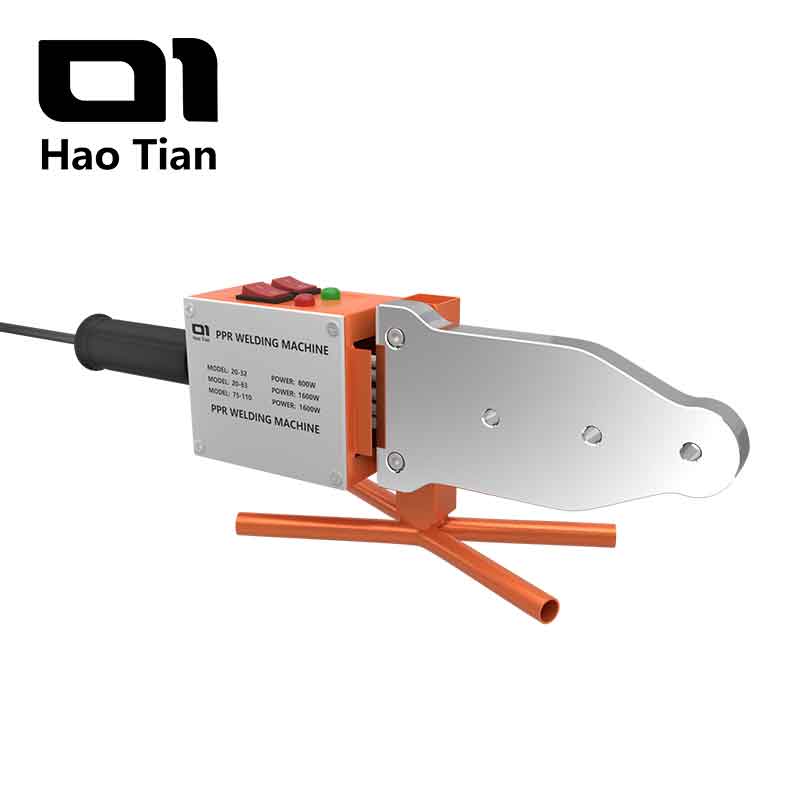
Reliable PE pipe socket welding depends on one core factor: the welding machine’s ability to deliver stable temperature, accurate heating time, consistent insertion depth, and controlled cooling cycles. Skilled operators can improve execution, but the foundational quality comes from machine performance and correct parameter settings.
This guide outlines the recommended settings for PE pipes from 20 mm to 110 mm, based on industry practice and ASTM F2620 principles, combined with manufacturer-level insights.
1. Why Machine Settings Define Joint Quality
Socket welding is a temperature-driven process. Every weld relies on three machine-controlled variables:
- Heating temperature stability
- Accurate heating time matching pipe size
- Consistent insertion depth determined by mold geometry
If any of these fail—even slightly—the joint becomes weak, uneven, or unpredictable. This is why machine design, heater stability, mold concentricity, and power output are critical for consistent welds.
ASTM F2620 provides standardized principles, but real-world results must also consider machine capability, environment, and pipe/fitting material grade.
2. Key Machine-Controlled Parameters
2.1 Temperature Stability & Setting Range
A PE socket welding machine must keep the heating plate within a ±3°C tolerance. For PE80/PE100 pipes in the 20–110mm range, the recommended operating window is 250–270°C, with minor adjustments for ambient temperature. Underheating leads to incomplete fusion, while overheating causes material softening, carbonization, and shrinkage.
2.2 Heating Time & Thermal Absorption
Heating time must begin only after the machine reaches full temperature stability. Small diameters (20–32mm) require short exposure, while larger diameters (90–110mm) need extended heating due to slower thermal absorption. The general operating range is 5–18 seconds for 20–110mm sizes.
2.3 Insertion Depth, Transition Time & Cooling
Standard insertion depth must be maintained to prevent bore restriction or weak bonding. After removing pipe and fitting from the heater, joining should be completed within ≈3 seconds to avoid premature cooling. Natural cooling should last 30–120 seconds, and forced cooling is prohibited. Machine clamping accuracy ensures proper alignment during cooling.
The welding problem of PPR pipe can refer to this article:Common problems and causes of PPR pipe fusion welding
3. Complete Socket Welding Parameter Table (20–110 mm)
Temperature for all sizes: 254–266 °C (490–510 °F)
| Pipe Size (mm) | Size (inch) | Insertion Depth (mm) | Heating Time (s) | Fusion/Joining Time | Cooling Time (s) |
|---|---|---|---|---|---|
| 20 mm | ½″ IPS | 14 mm | 6–7 s | Immediate | 30 s |
| 25 mm | ¾″ | 15 mm | 6–10 s | Immediate | 30 s |
| 32 mm | 1″ | 17 mm | 10–17 s | Immediate | 30 s |
| 40 mm | 1¼″ | 18 mm | 12–21 s | Immediate | 45–60 s |
| 50 mm | 1½″ | 20 mm | 14–23 s | Immediate | 45–60 s |
| 63 mm | 2″ | 26 mm | 16–28 s | Immediate | 45–60 s |
| 75 mm | 2½″ | 29 mm | 18–28 s | Immediate | 45–60 s |
| 90 mm | 3″ | 32 mm | 20–32 s | Immediate | 60–75 s |
| 110 mm | 4″ | 35 mm | 24–37 s | Immediate | 60–75 s |
Note:
- HDPE usually requires the upper range of heating time
- MDPE follows the lower range
- Ambient temperature affects heating and cooling cycles
- Wind exposure significantly accelerates surface cooling
4. Welding Defects and Root-Cause Analysis
4.1 Parameter-Driven Defects (Underheat, Overheat, Cold Weld)
Underheating causes weak joints, discontinuous beads, and low pull strength. Overheating creates burnt surfaces, material degradation, and internal shrinkage. Cold welds occur when the molten layer partially solidifies before insertion, often due to slow transition time, unstable heater temperature, or insufficient plate contact.
4.2 Alignment, Insertion & Operator-Induced Issues
Misalignment arises from inaccurate clamping or pipe rotation during joining. Excessive insertion depth reduces internal diameter and restricts flow; insufficient depth reduces bonding area. Slow or delayed insertion after heating creates surface hardening and incomplete internal fusion.
4.3 Non-Parameter Defects Caused by Material Quality
Not all failures originate from welding parameters. Poor-quality pipes and fittings—with high ovality, inconsistent wall thickness, excessive recycled content, or unstable resin—can fail even under perfect welding conditions. Machine precision cannot compensate for defective materials.
5. Why Not All Problems Come from Machine Parameters
Even when parameters are perfect, weld failures still occur due to pipe and fitting quality issues:
- Ovality exceeding tolerance
- Wall thickness inconsistency
- Raw material contamination
- Low-grade compounds or recycled content
- Material aging, oxidation, or long UV exposure
- Moisture inside pipe or fittings
- Poorly machined socket dimensions
This is why professional welding machines must work with high-quality pipe and fitting suppliers to maintain reliability.
6. Conclusion
For consistent and reliable PE socket welding:
Machine performance → Parameter accuracy → Material quality
Correct temperature, heating time, insertion depth, and cooling cycles ensure stable and repeatable welding quality. Combined with high-quality fittings, the welding machine can deliver strong, leak-free joints suitable for gas, water, and industrial pipeline systems.
Master more welding machine pipeline methods:Master the core plumber s welding pipe skills