Power is the core performance indicator of any PPR pipe fusion welding machine. It dictates how fast the machine heats up, how stable the temperature remains during continuous welding, and how efficiently operators can complete multi-size pipe fusion work. In export markets where voltage conditions vary, choosing the correct power configuration becomes even more critical.
1. Why Power Directly Impacts Welding Speed and Efficiency
The heating plate relies on electrical power to reach 50–340°C, the temperature required for proper socket fusion. Higher power delivers faster heating, quicker recovery between welds, and more stable temperature output.
- Low power → Slow heating, unstable recovery, weaker fusion strength
- High power → Fast heat-up, continuous welding capability, consistent fusion results
For contractors or distributors targeting professional installers, power is not just a spec—it defines user experience and project efficiency.
2. Single vs. Dual Heating Tube Design: How Power Is Generated
Power output in PPR pipe fusion welding machines is determined mainly by the heating tube configuration inside the plate.
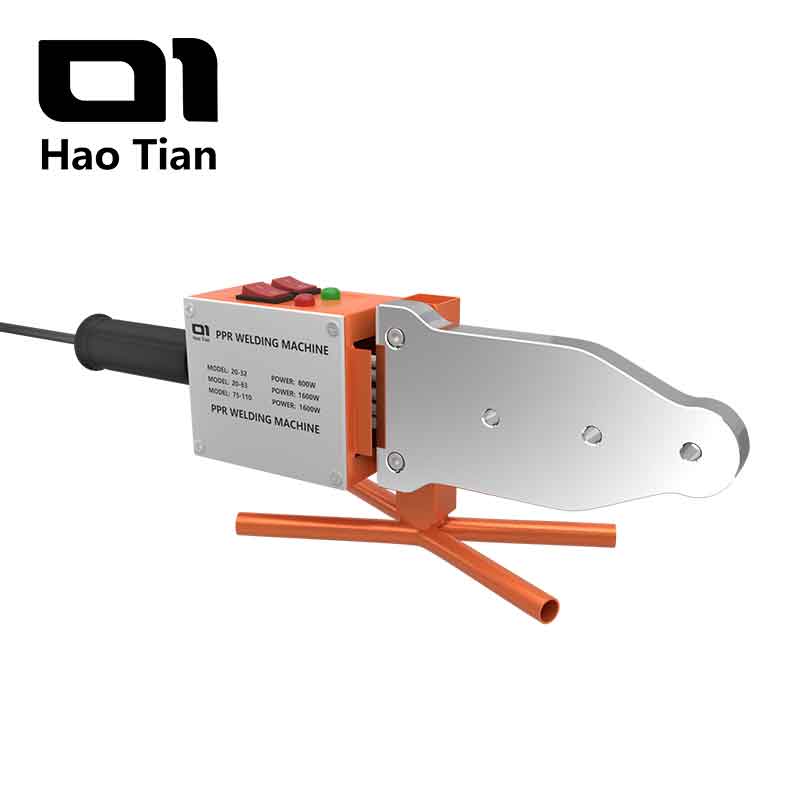
Single Heating Tube (approx. 800–1000W)
- Designed for light-duty or household use
- Sufficient for 20–32mm pipe sizes
- Slower temperature recovery after continuous welding
- Lower energy load, smaller body design
Dual Heating Tubes (approx. 1600–2000W)
- Built for professional or job-site applications
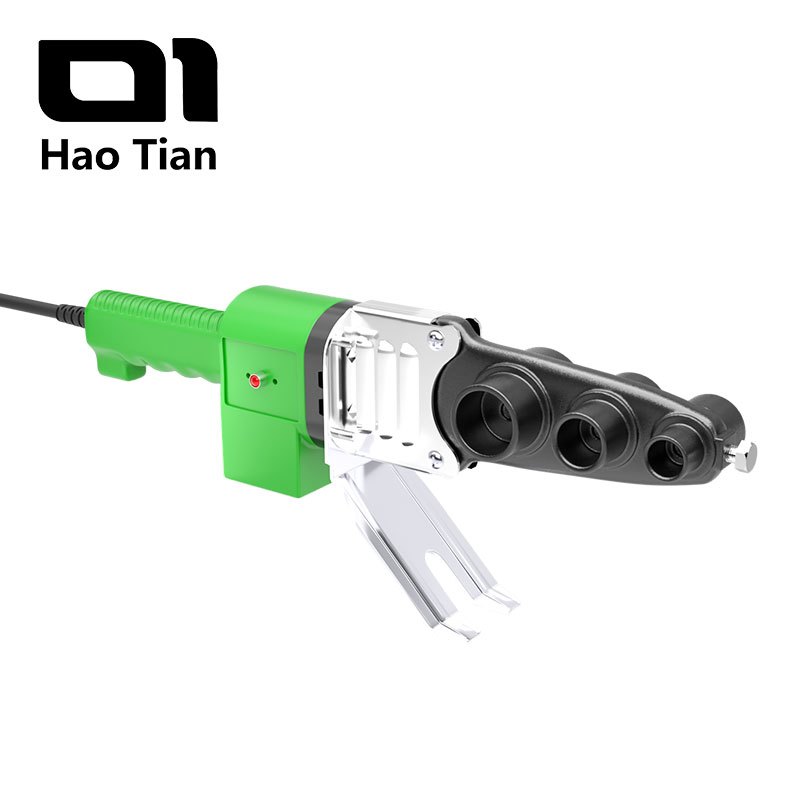
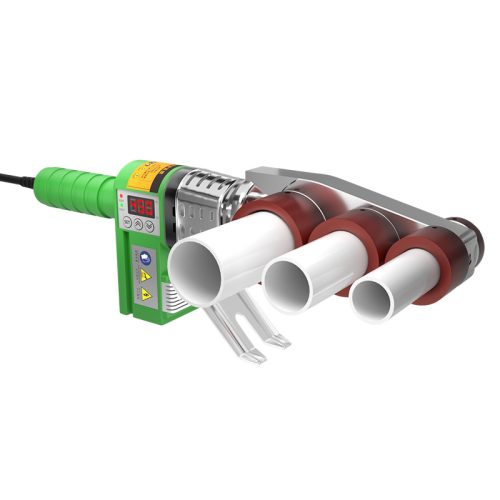
- Supports 20–63mm, often with 2–3 molds installed simultaneously
- Faster heating and superior temperature stability
- Better performance in regions with voltage fluctuation
- Essential for export-grade welding machines
The heating tube configuration not only defines the wattage but also influences how evenly the heating plate conducts heat—critical for achieving reliable socket fusion quality.
3. How Power Affects Real-World Welding Performance
Power output is more than a number on a label. It influences every stage of the welding process:
- Warm-Up Time
High-power units reach operating temperature in minutes, minimizing downtime. - Temperature Stability
Dual-tube machines recover heat quickly when molds are loaded back-to-back, ensuring consistent fusion quality across multiple joints. - Fusion Strength
Inadequate power causes incomplete melting, which weakens joint integrity—especially noticeable with thicker 50–63mm pipes. - Multi-Mold Operation
Machines using multiple molds simultaneously (e.g., 20mm + 25mm + 32mm) require higher power to maintain even heating distribution.
For distributors, recommending the correct power level dramatically reduces customer complaints related to “slow heating” or “poor melting performance.”
4. How to Select the Right PPR Fusion Welding Machine Power
Power selection depends on the pipe size range, working environment, and target user group:
For 20–32mm (Household / Light Work)
- 800–1000W single heating tube
- Suitable for basic plumbing tasks
- Compact and budget-friendly
For 20–63mm (Professional / Engineering Work)
- 1600–2000W dual heating tubes
- Required for quick heating and continuous welding
- Ideal for dealer sales and export markets
For Unstable Voltage Regions
- Dual-tube designs maintain performance even when voltage fluctuates
- Reduces the risk of slow heating and temperature drop
In global export business, a machine with stable power and strong heating tube quality performs better in demanding market environments and builds trust with end-users.
Conclusion
PPR pipe fusion welding machine power determines heating speed, temperature consistency, and overall welding efficiency. Understanding the difference between single and dual heating tubes—and selecting the right power level for real application scenarios—ensures reliable fusion results and a better customer experience. For distributors, choosing machines with stable 1600–2000W configurations provides a significant competitive advantage in professional markets.