Introduction
In many markets, a standard PPR welding machine can no longer fully meet real-world application requirements. Differences in pipe standards, working conditions, branding strategies, and market regulations make customization a practical necessity rather than an optional upgrade.
PPR welding machine customization allows buyers to align equipment performance, appearance, and packaging with their specific business and technical needs.
As a professional PPR welding machine manufacturer, we focus on providing customized solutions based on customer requirements, drawings, or target applications, instead of offering one-size-fits-all products.
Manufacturer-Based Customization Capability
We are a manufacturer specializing in PPR welding machines, with in-house production, assembly, and technical development capabilities. This allows us to support both OEM and ODM PPR welding machine customization.
Customization can be carried out based on:
- Customer technical requirements
- Engineering drawings
- Sample machines
- Target market specifications
By controlling the full manufacturing process, we ensure that customized PPR welding machines remain stable, scalable, and suitable for mass production.
Functional Customization of PPR Welding Machines
Functional performance is the core of custom PPR welding machine manufacturing. Different users and markets require different control methods and configurations.
Temperature Control Options
We support multiple temperature control systems, including:
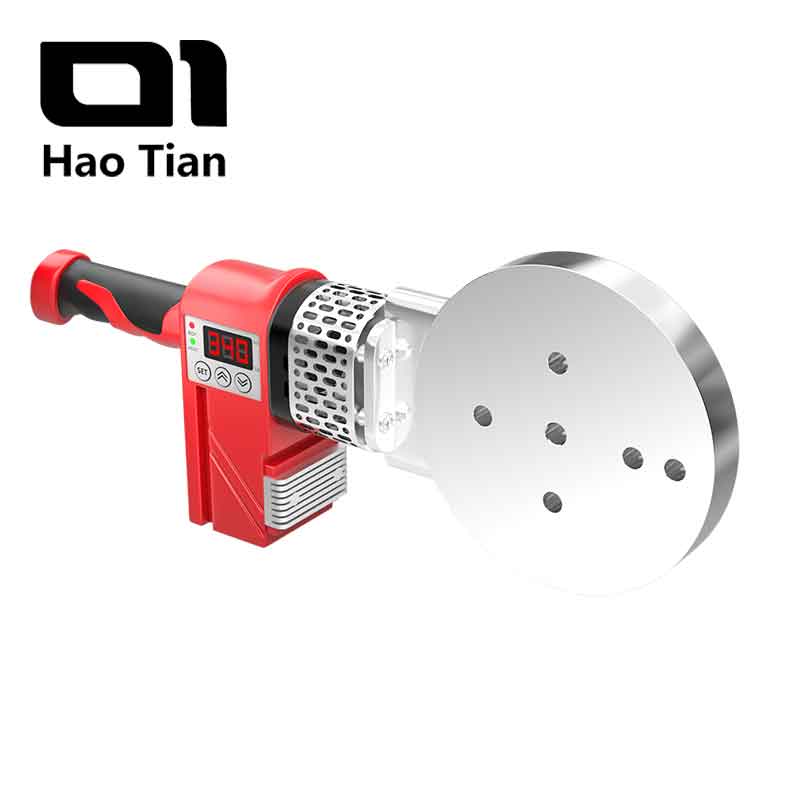
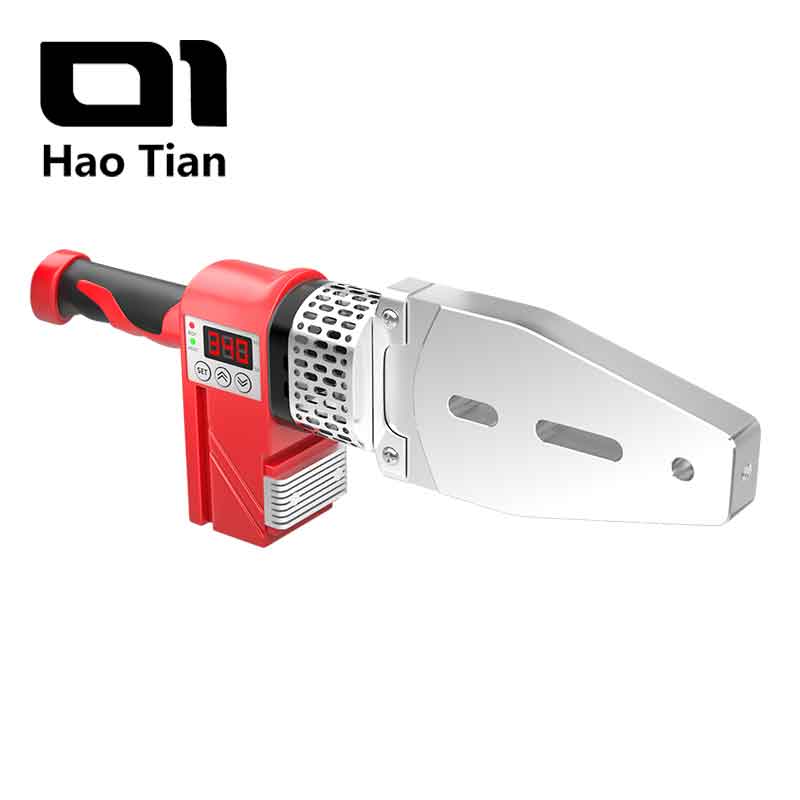
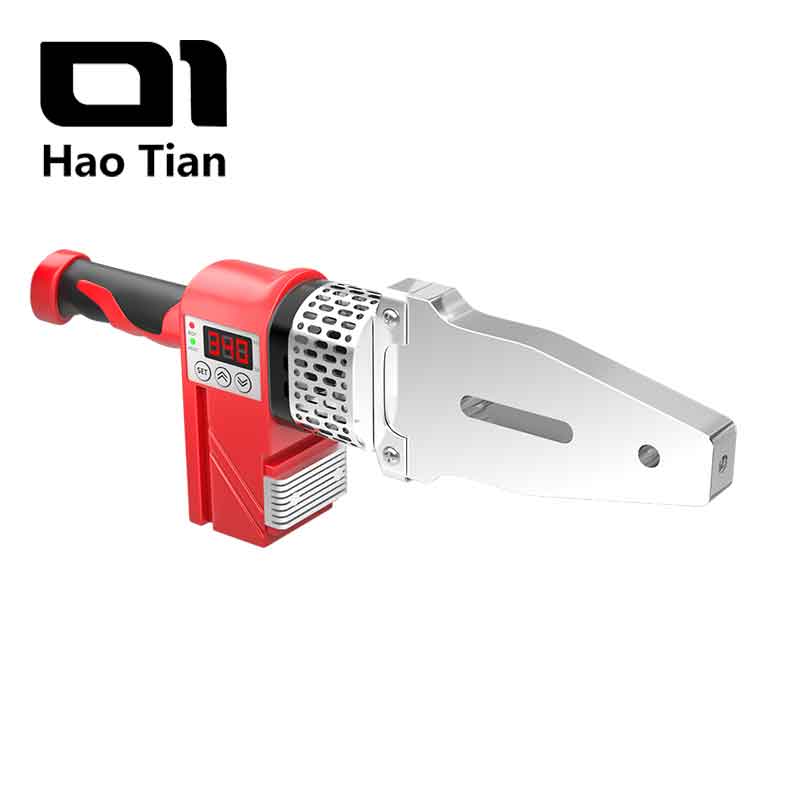
- Digital temperature control PPR welding machines
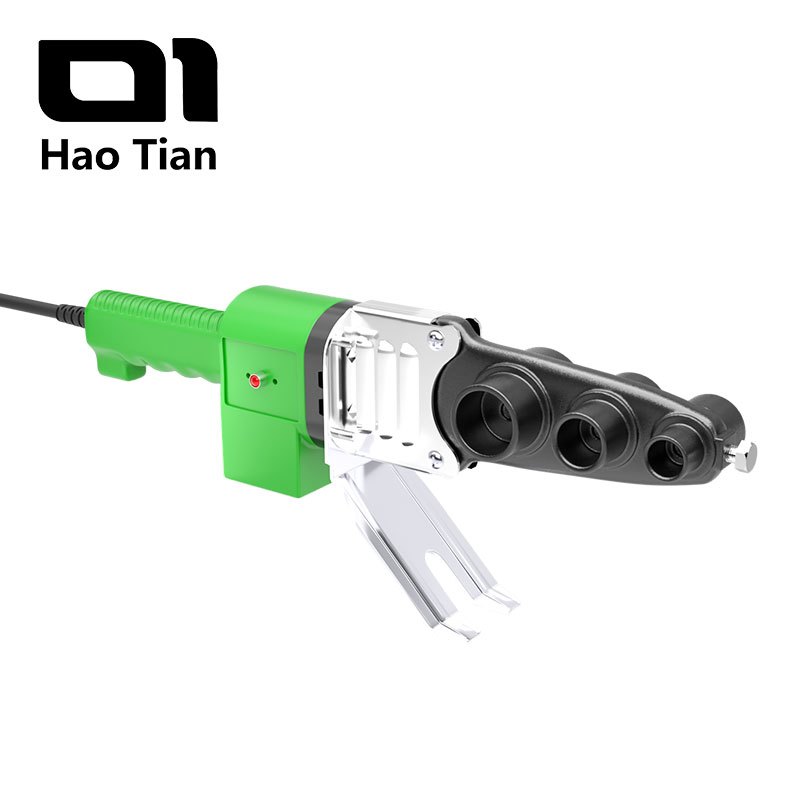
- Thermostatic PPR welding machines
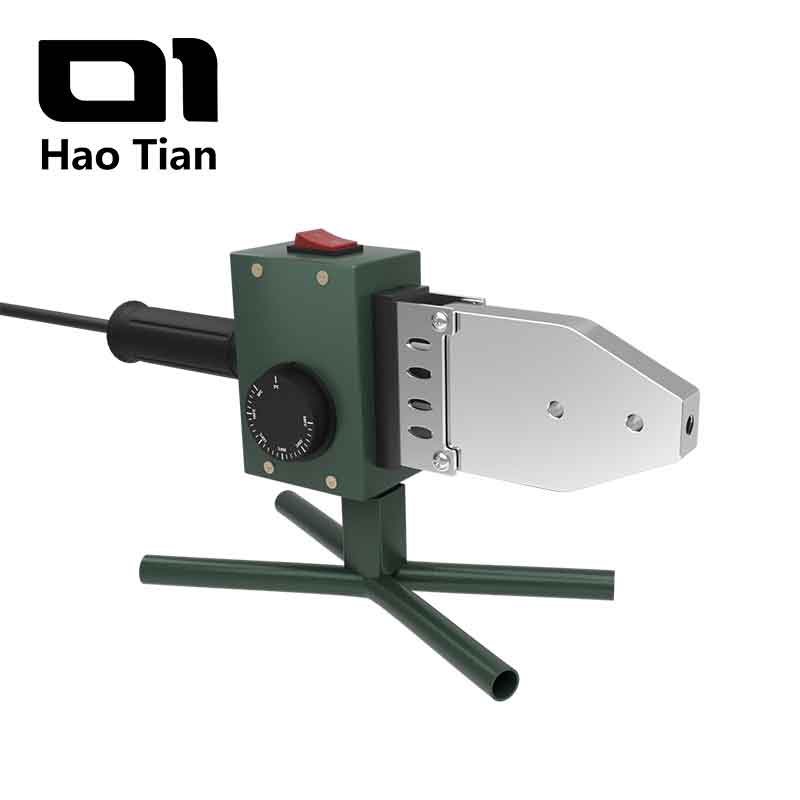
- Rotary knob PPR welding machines
Each option can be selected according to usage habits, cost targets, and market positioning.
Power and Heating System Configuration
Customization options include:
- Different power ratings
- Heating plate materials and structures
- Temperature stability requirements
This ensures compatibility with various pipe materials and working environments.
Pipe Diameter and Application Range
Customized machines can be designed for:
- Specific pipe diameter ranges
- Single-size or multi-size applications
- Special accessories or tool combinations
This is especially important for brand owners and pipeline manufacturers with fixed product systems.
Electrical and Market Requirements
We provide customization for:
- Voltage and frequency (110V / 220V / 50Hz / 60Hz)
- Plug standards for different countries
- Market-specific technical preferences
These factors are essential for export-oriented PPR welding machine customization projects.
Appearance and Structural Customization
Beyond functionality, appearance plays a growing role in product differentiation.
Machine Housing and Structure
- Customized housing designs
- Structural adjustments based on internal layout
- Ergonomic considerations for different user groups
Color and Surface Treatment
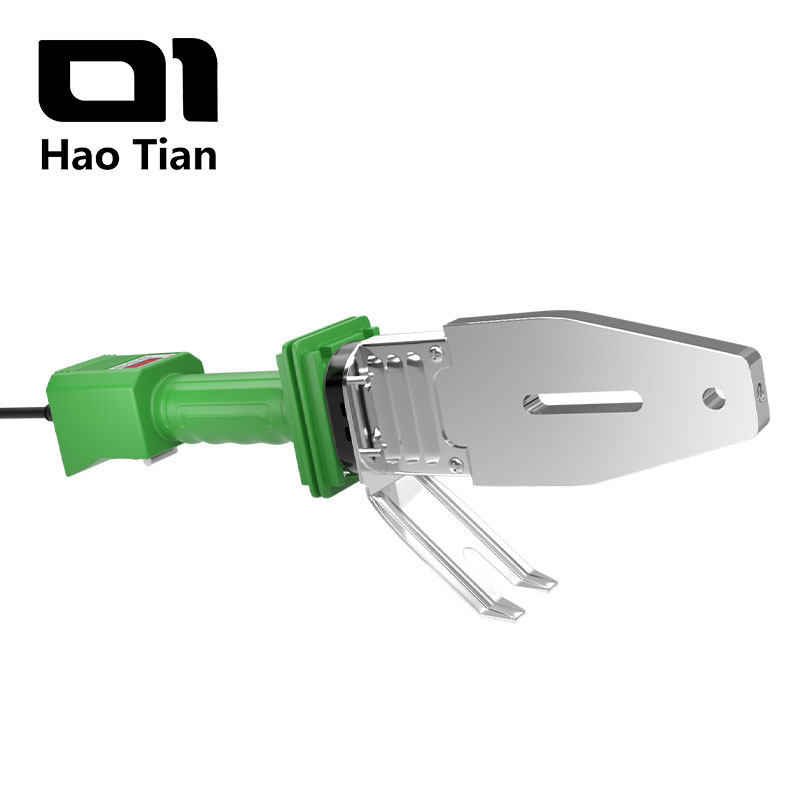
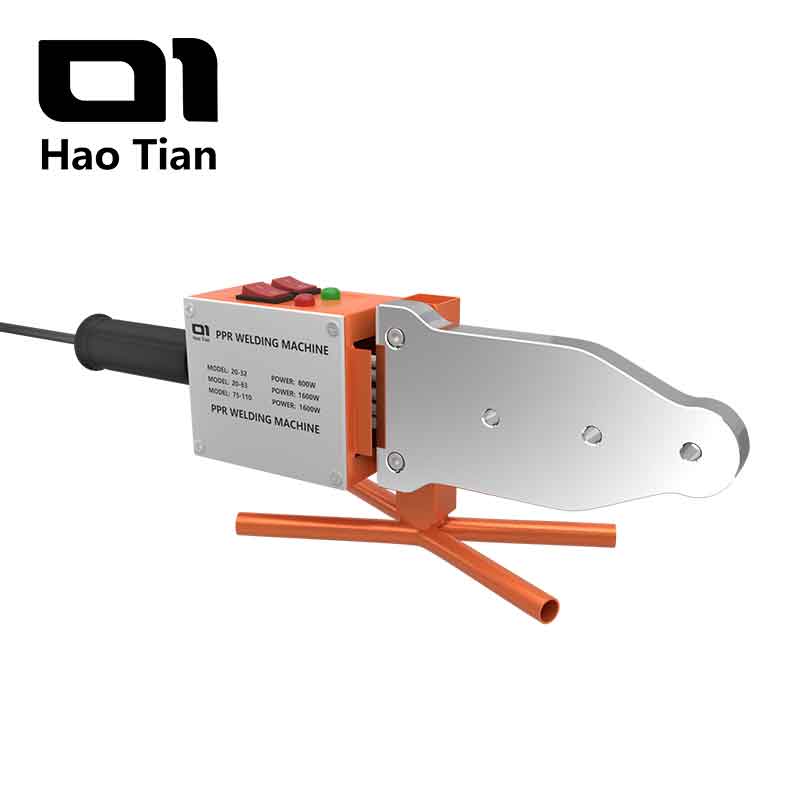
- Custom machine colors
- Surface finishes aligned with brand identity
- Durable coatings for harsh environments
Branding Integration
We support:
- Custom logos
- Nameplates and labels
- Brand-specific markings
This enables customers to build a recognizable and independent product line through branded PPR welding machine customization.
Packaging Customization
Packaging is part of the product experience and logistics efficiency.
Customization options include:
- Color boxes for retail markets
- Plastic or metal tool cases
- Industrial packaging for bulk shipments
We also support:
- Customized box sizes
- Optimized packing quantities per carton
- Multi-language manuals and labels
This ensures that the customized PPR welding machine is market-ready upon delivery.
Customization Workflow
Our PPR welding machine customization process is structured and scalable:
- Requirement analysis and technical discussion
- Drawing or sample confirmation
- Prototype or sample development
- Testing and approval
- Mass production and delivery
Each stage is controlled to reduce risk and ensure consistency between samples and bulk orders.
Typical Customization Scenarios
Common applications of PPR welding machine customization include:
- Brand owners developing private-label welding machines
- Pipeline manufacturers supplying matching tools
- Distributors targeting specific regional markets
- Project-based or tender-driven equipment requirements
In these scenarios, customization improves product compatibility, brand positioning, and long-term competitiveness.
Conclusion
PPR welding machine customization is not only about modifying a product, but about aligning manufacturing capabilities with market strategy. By working directly with a manufacturer, customers gain flexibility in function, appearance, and packaging while maintaining production stability and cost control.
Customized PPR welding machines help businesses differentiate their offerings, meet market-specific requirements, and build sustainable product lines for long-term growth.