Introduction
In the PPR pipe installation industry, welding quality is directly influenced by temperature control. Different types of PPR welding machines use different temperature regulation methods, which leads to clear differences in welding consistency, operational stability, and long-term reliability.
This article provides an objective PPR welding machine comparison between three common types: Digital PPR welding machines, Thermostatic PPR welding machines, and Rotary Knob PPR welding machines. The comparison focuses on control principles, technical characteristics,
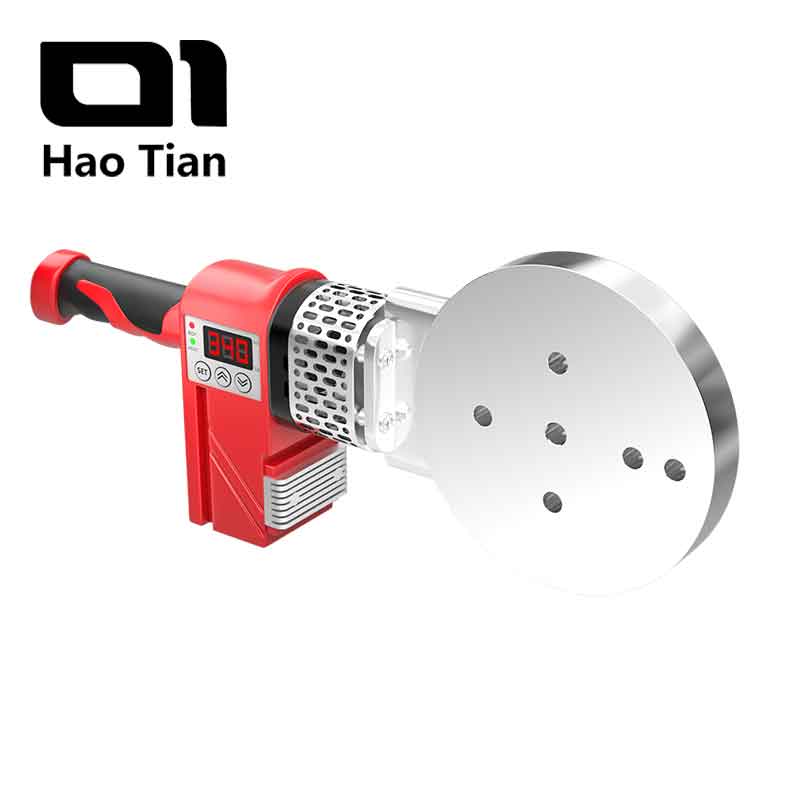
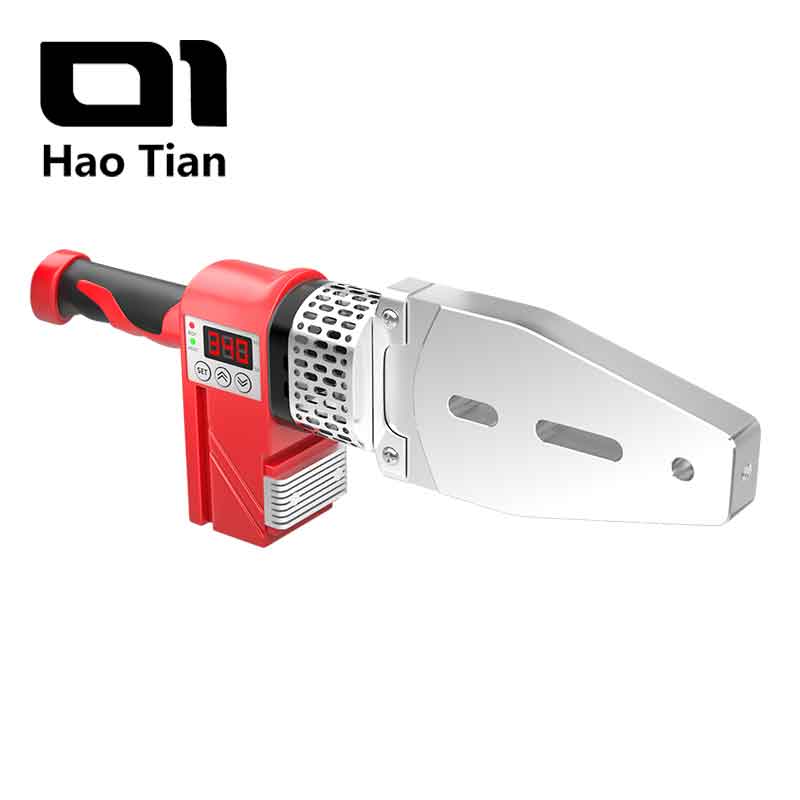
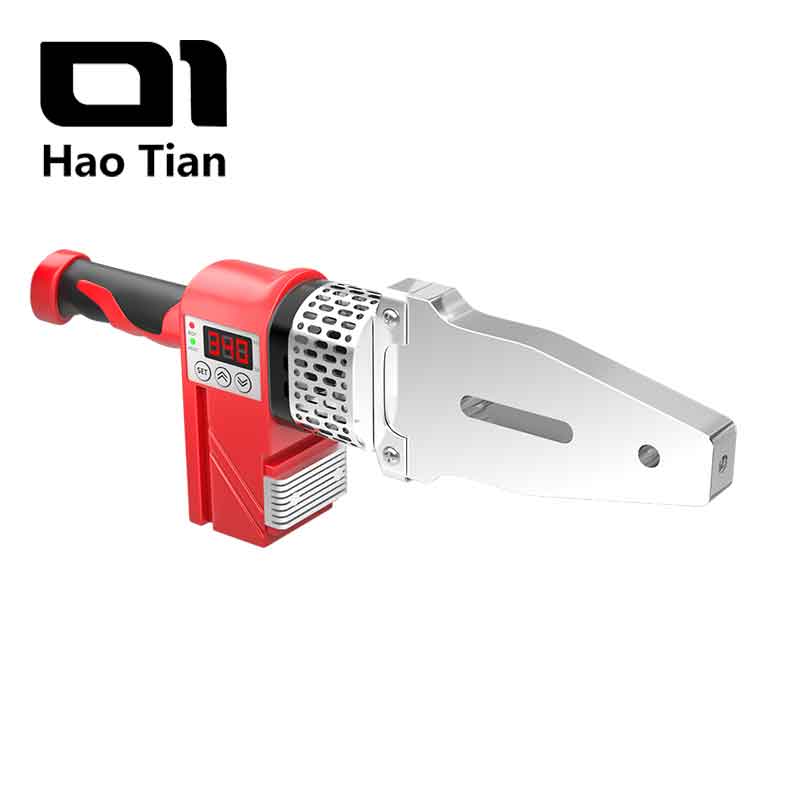
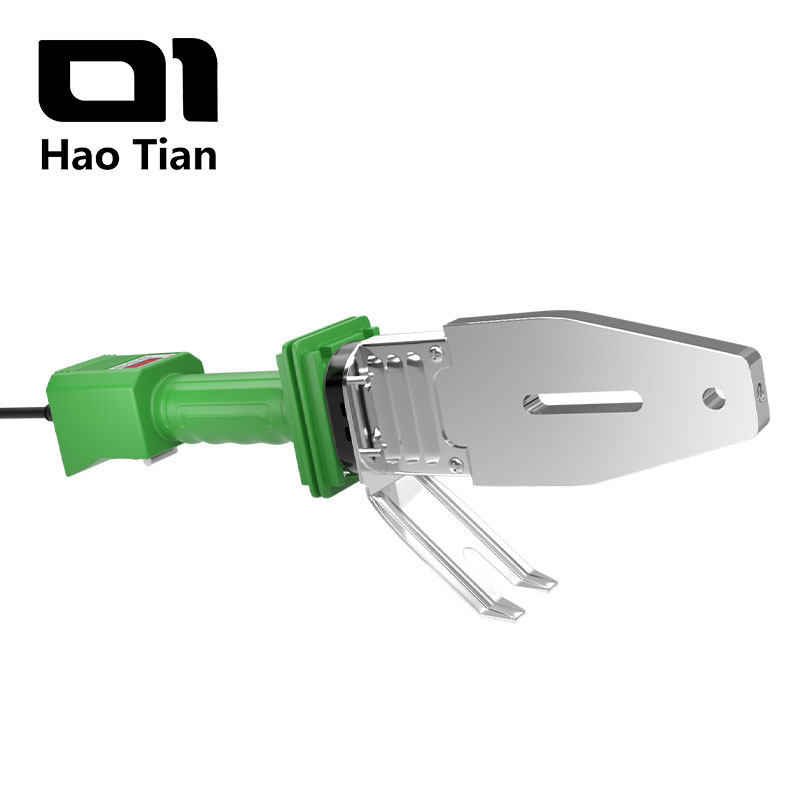
Digital PPR Welding Machine
Temperature Control Method
A digital PPR welding machine uses an electronic temperature control system consisting of a PCB, temperature sensor, and control program. The system continuously monitors the heating plate temperature and adjusts power output accordingly.
Technical Characteristics
- High temperature control accuracy
- Small temperature fluctuation range
- Digital display for set and actual temperature
- Calibration possible depending on design
Practical Performance
Digital control allows more consistent welding results, especially in continuous or large-scale installations. Because temperature regulation is automated, welding quality depends less on operator experience. However, electronic components may require stable power supply and proper protection in harsh environments.
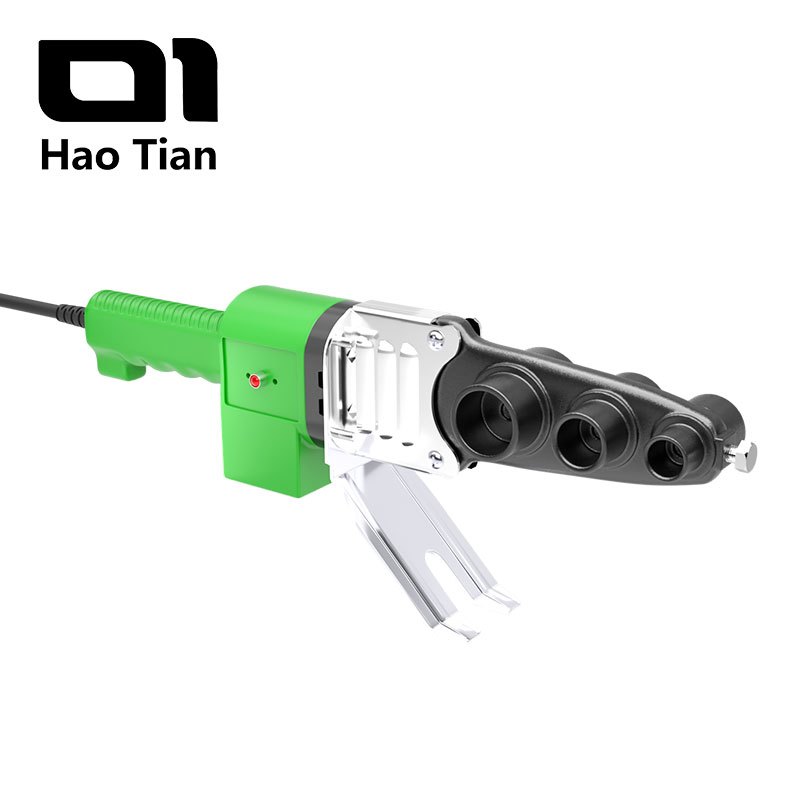
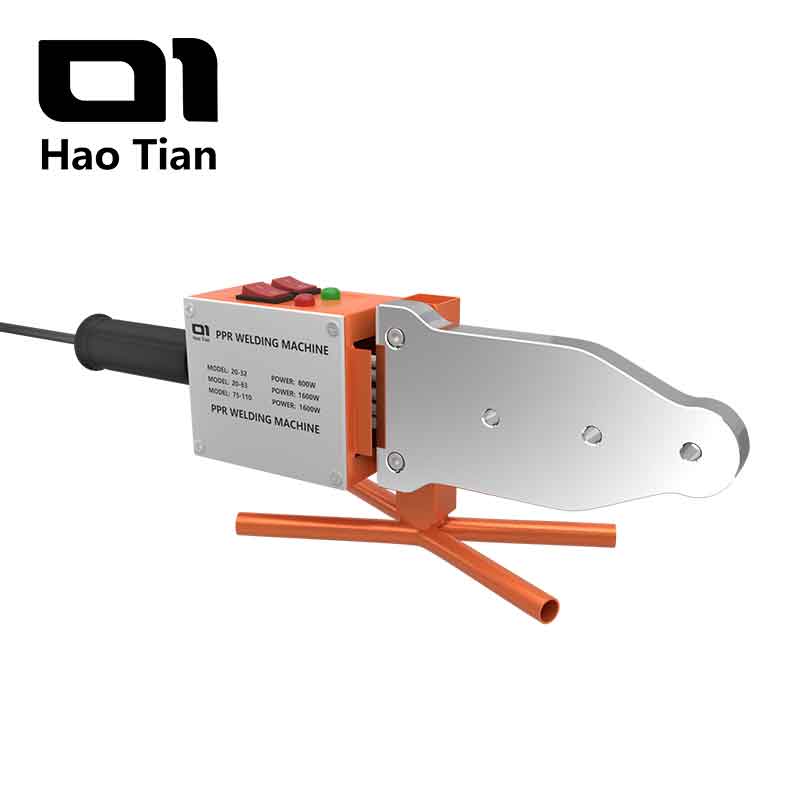
Thermostatic PPR Welding Machine
Temperature Control Method
Thermostatic PPR welding machines rely on a mechanical thermostat that switches heating power on and off within a preset temperature range. There is no real-time digital feedback.
Technical Characteristics
- Relatively simple structure
- Stable basic temperature regulation
- Fixed working temperature range
Practical Performance
Thermostatic machines provide moderate temperature stability suitable for general applications. Welding consistency depends largely on the quality of the thermostat. Over long-term use, mechanical thermostats may experience temperature drift, which can affect welding results.
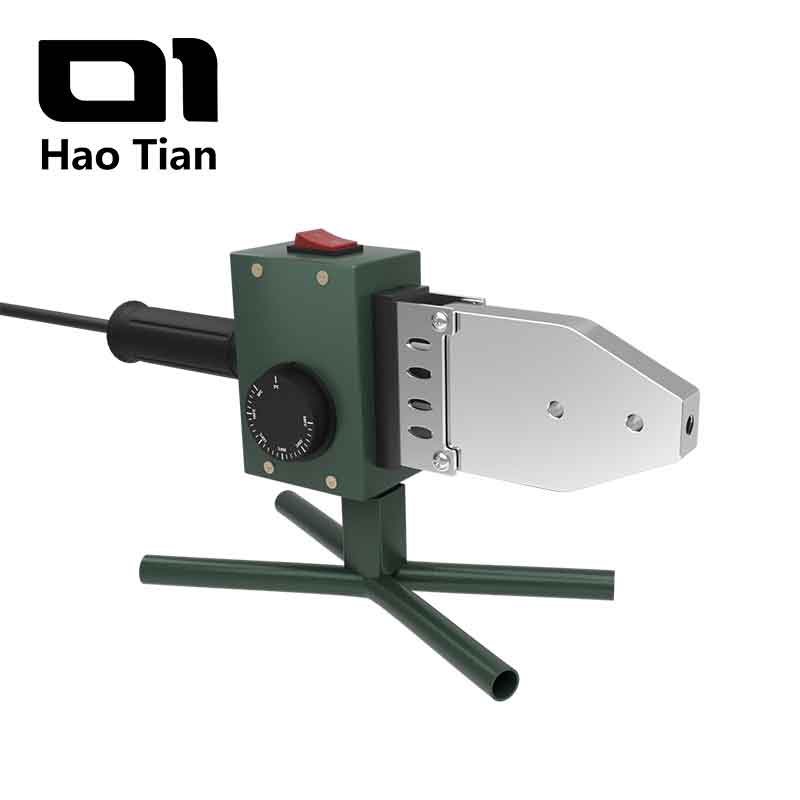
Rotary Knob PPR Welding Machine
Temperature Control Method
Rotary knob PPR welding machines regulate heating output through manual power adjustment or preset power levels. There is no temperature sensor or closed-loop control system.
Technical Characteristics
- Simplest electrical structure
- Lowest manufacturing cost
- No actual temperature feedback
Practical Performance
Welding performance depends heavily on operator experience and working conditions. Temperature stability is limited, and repeatability can vary significantly with ambient temperature, voltage fluctuation, and usage duration.
Key Performance Comparison
From a technical perspective, the differences can be summarized as follows:
- Temperature accuracy: Digital > Thermostatic > Rotary Knob
- Temperature stability: Digital > Thermostatic > Rotary Knob
- Welding consistency: Digital > Thermostatic > Rotary Knob
- Structural complexity: Rotary Knob < Thermostatic < Digital
- Dependence on operator experience: Rotary Knob > Thermostatic > Digital
Application and Environment Considerations
Different working conditions influence machine performance:
- Continuous high-volume installations require stable temperature control
- Unstable power supply environments may affect electronic control systems
- Extreme ambient temperatures increase welding variability for non-digital machines
Maintenance requirements also vary, with electronic components and mechanical thermostats presenting different long-term reliability considerations.
Conclusion
This PPR welding machine comparison shows that each type represents a different stage of temperature control technology. Digital PPR welding machines emphasize precision and consistency, thermostatic machines balance simplicity and stability, while rotary knob machines rely primarily on manual adjustment and experience.
Selection should be based on installation requirements, environmental conditions, and acceptable tolerance for welding variability rather than cost alone.