Introduction
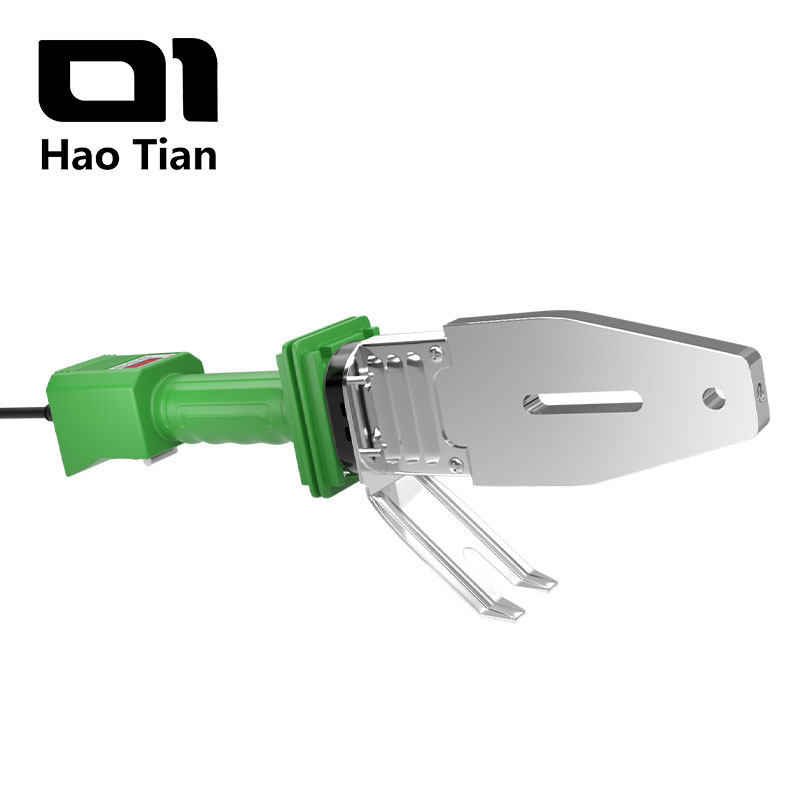
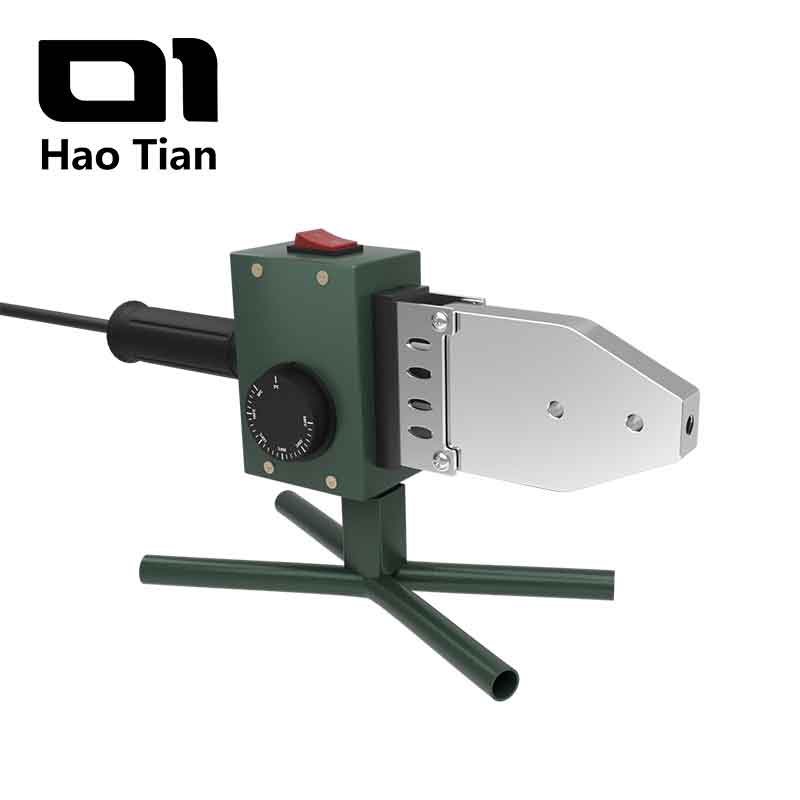
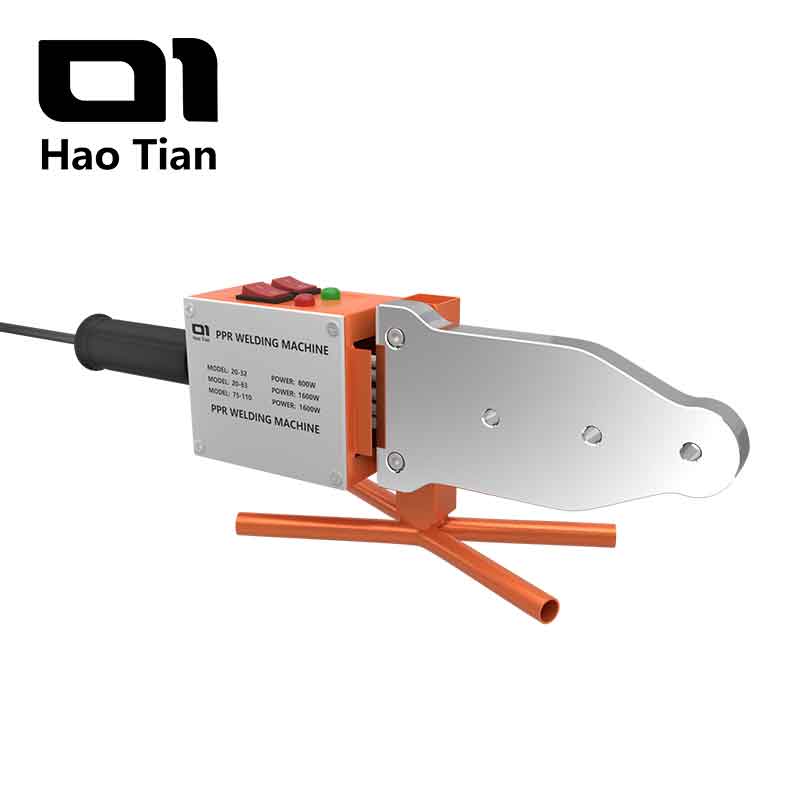
Un machine électrique à souder les tuyaux est un outil essentiel dans l'installation moderne des canalisations, largement utilisé dans les systèmes de plomberie, les réseaux d'approvisionnement en eau et les projets de tuyauterie industrielle. Pour les distributeurs, les importateurs et les marques de tuyaux, le choix de la bonne machine a un impact direct sur l'efficacité de l'installation, la qualité du soudage et la satisfaction de l'utilisateur final.
Ce guide fournit une vue d'ensemble structurée des machines électriques à souder les tuyaux, y compris les types, les applications et la manière de sélectionner le bon fournisseur.
Qu'est-ce qu'un Machine électrique à souder les tuyaux?
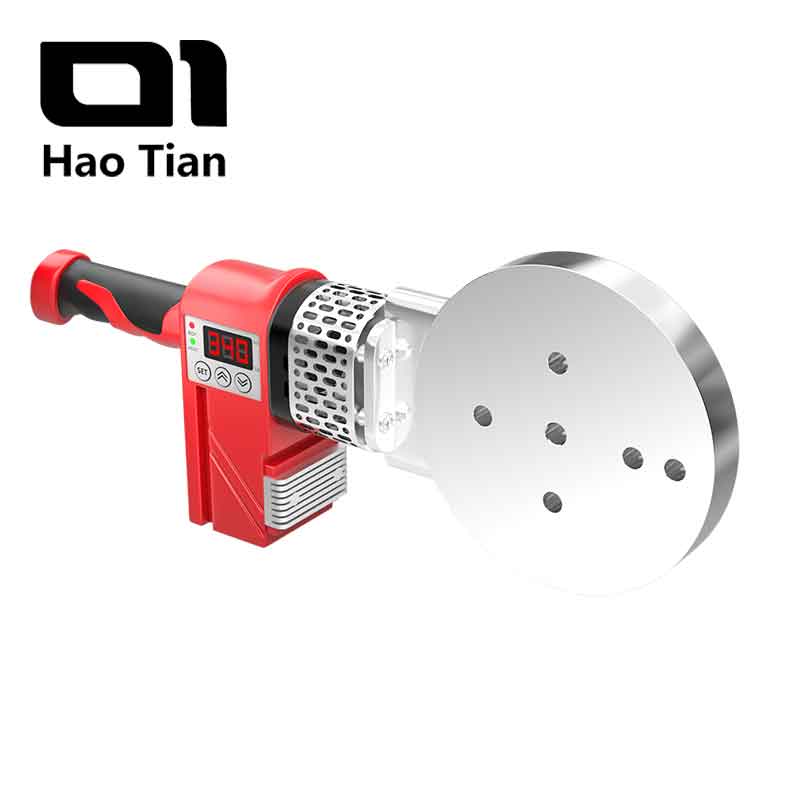
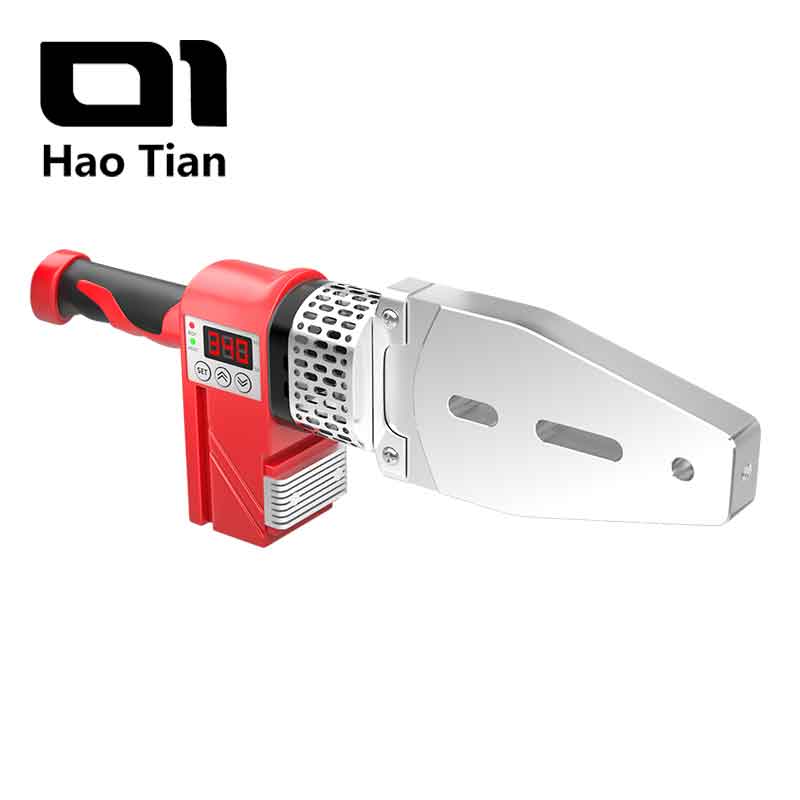
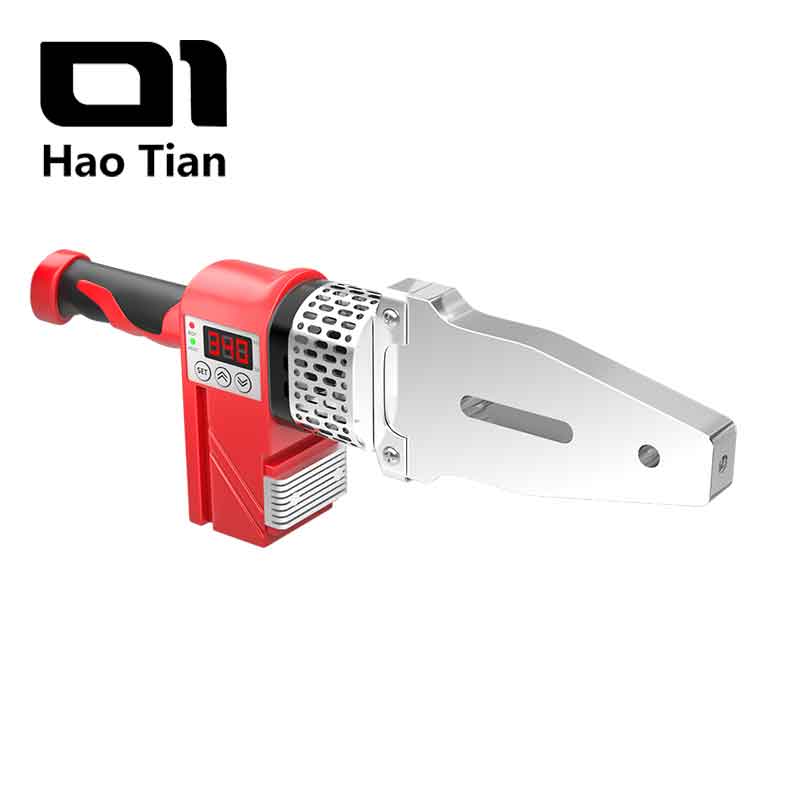
Une machine électrique à souder les tuyaux est un appareil qui utilise une technologie de chauffage contrôlé pour fusionner des tuyaux thermoplastiques tels que Tuyaux en PPR, PEHD et PP. La machine chauffe le tuyau et le raccord à une température spécifique, puis les assemble pour créer une connexion permanente et étanche.
Proposition de valeur fondamentale :
- Qualité de soudage constante
- Temps d'installation réduit
- Réduction de la dépendance à l'égard de la main-d'œuvre
- Fiabilité à long terme des pipelines
Principaux types de machines électriques à souder les tuyaux
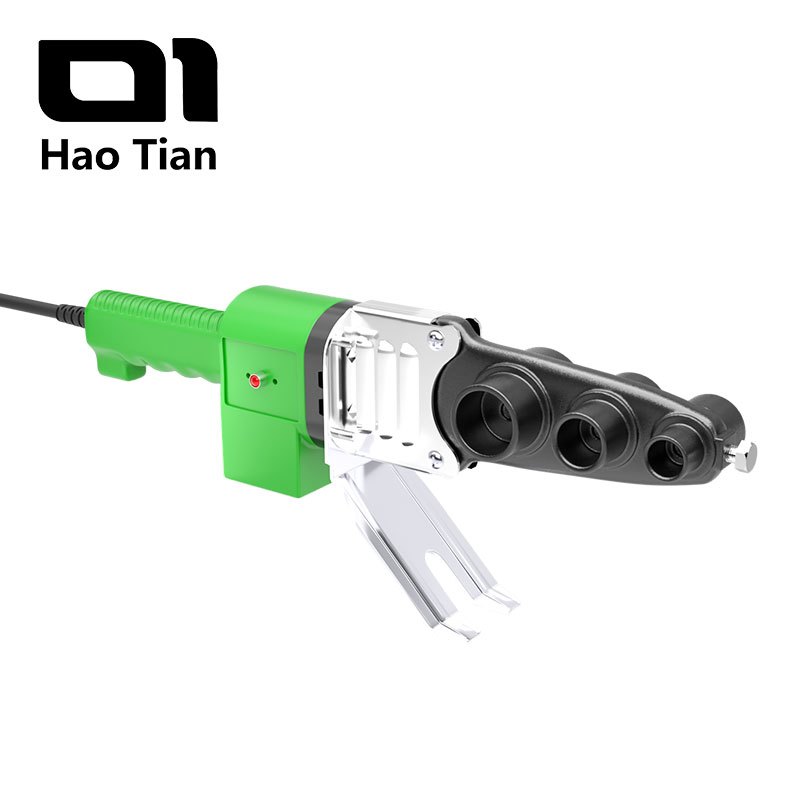
1. Machine à souder les tubes PPR (fusion par emboîtement)
Conçu pour les tuyaux de petit et moyen diamètre (typiquement 20mm-63mm), largement utilisé dans :
- Plomberie résidentielle
- Systèmes d'eau chaude et froide
- Marchés de détail de la quincaillerie
Caractéristiques principales :
- Léger et portable
- Chauffage rapide (typiquement 5-10 minutes)
- Utilisation facile pour les plombiers
2. Machine à souder les tubes HDPE (Fusion des fesses)
Utilisé pour les tuyaux de plus grand diamètre et les applications industrielles.
Scénarios d'application :
- Approvisionnement en eau des municipalités
- Gazoducs
- Systèmes de drainage
Caractéristiques principales :
- Fonctionnement hydraulique ou manuel
- Capacité de fusion à haute pression
- Convient aux projets de grande envergure
3. Machine à souder électrique intégrée (tout-en-un)
Une nouvelle tendance sur le marché, en particulier pour les canaux de distribution à évolution rapide.
Avantages :
- Pas besoin de matrices séparées
- Fonctionnement plus rapide
- Idéal pour les grossistes et les chaînes de magasins
Facteurs clés d'achat (pour les importateurs et les distributeurs)
1. Stabilité de la puissance et du chauffage
Le contrôle stable de la température garantit des résultats de soudage constants. Recherchez :
- 800W-1600W pour les machines PPR
- Systèmes intelligents de contrôle de la température
2. Matériau et revêtement
Plaques chauffantes de haute qualité avec Revêtement en téflon empêchent le collage et améliorent la durabilité.
3. Capacités OEM et de marquage
Pour les marques de tuyaux et les distributeurs, OEM n'est pas facultatif - c'est un levier de croissance.
Les options personnalisées comprennent :
- Impression du logo sur la machine
- Boîte métallique personnalisée
- Personnalisation des couleurs
- Emballage sous marque de distributeur
4. Compatibilité de la gamme de produits
Un fournisseur compétitif doit offrir :
- 20-32mm (best-seller de la vente au détail)
- 20-63mm (demande standard du marché)
- Gamme de soudage HDPE (pour les clients des projets)
Clients cibles pour les soudeuses électriques de tuyaux
Du point de vue de la segmentation du marché, vos principaux acheteurs sont les suivants :
- Fabricants de tuyaux (marques PPR / HDPE)
- Importateurs et sociétés commerciales
- Distributeurs de matériel
- Grossistes en outils de plomberie
- Entreprises de construction
Les tendances du marché à connaître
1. Les machines intégrées connaissent une croissance rapide
En particulier dans les marchés émergents :
- Asie du Sud-Est
- Moyen-Orient
- Afrique
Ils réduisent la complexité et augmentent la vitesse de rotation.
2. La demande des équipementiers augmente
Plus de distributeurs veulent :
- Étiquetage privé
- Différenciation des marques
- Droits de distribution exclusifs
3. Priorité à la légèreté et à l'efficacité
Les utilisateurs finaux (plombiers) préfèrent :
- Conception compacte
- Chauffage rapide
- Manipulation aisée
Pourquoi travailler avec un fabricant professionnel ?
Un fabricant fiable de machines à souder les tuyaux électriques fournit bien plus que de simples produits :
Avantages stratégiques :
- Chaîne d'approvisionnement stable
- Support OEM/ODM
- Délai de production rapide
- Support technique
Conclusion
Choisir le bon machine électrique à souder les tuyaux n'est pas seulement une décision concernant un produit - c'est une décision stratégique pour les distributeurs et les marques de tuyaux. Le bon fournisseur peut vous aider à améliorer votre compétitivité sur le marché, à augmenter vos marges et à renforcer la présence de votre marque.