When it comes to working with PPR (Polypropylene Random) welding machines, safety should always be your top priority. PPR welding machines are essential tools in many industries, especially in plumbing and construction, where they are used to join PPR pipes securely. While these machines are highly effective, improper use can lead to accidents or injuries. This article will provide you with essential safety tips for operating PPR welding machines to ensure that you work safely and efficiently.
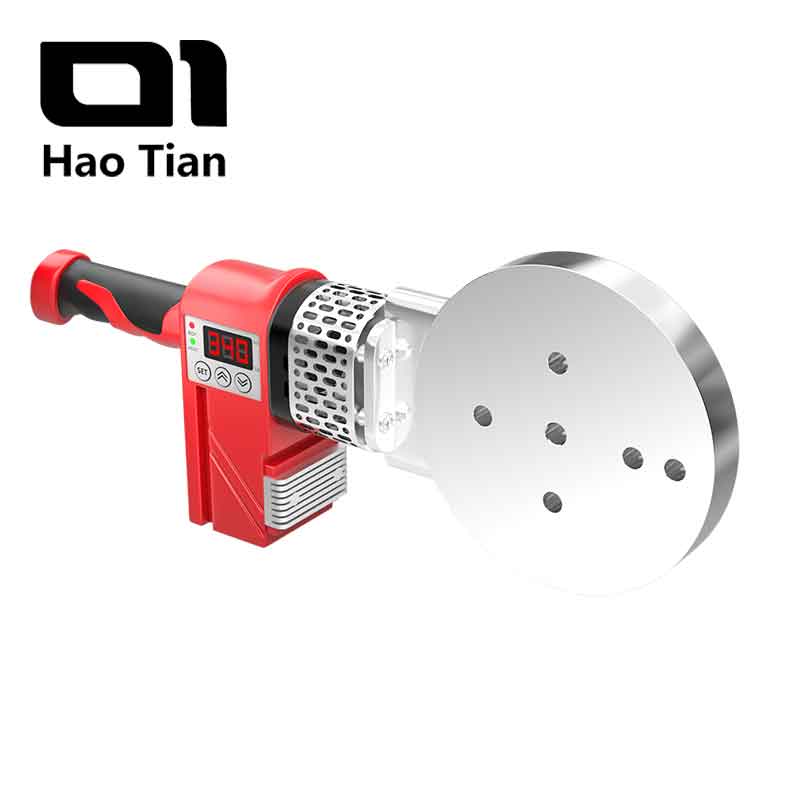
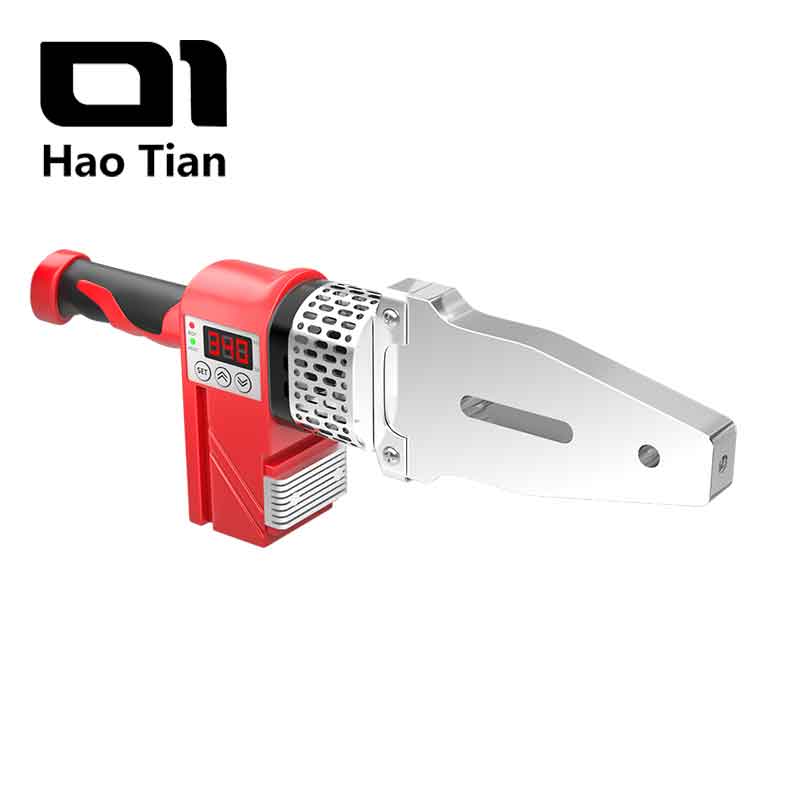
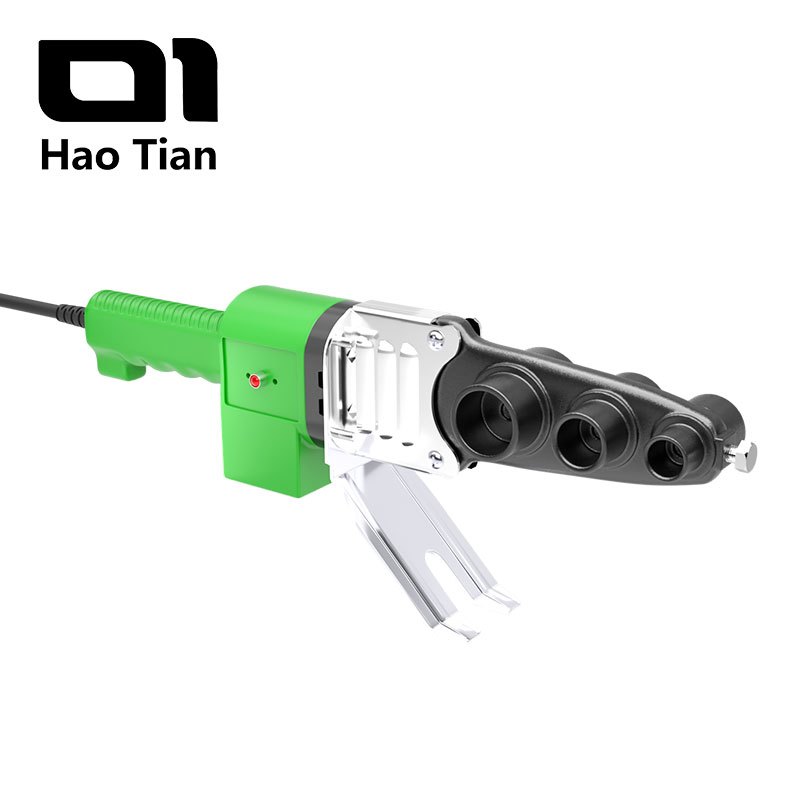
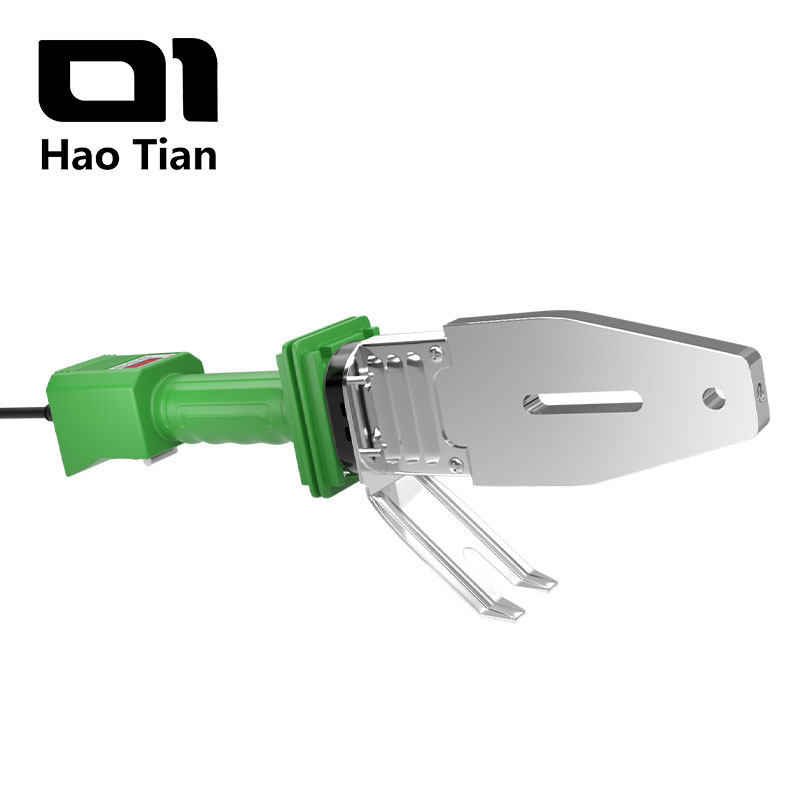
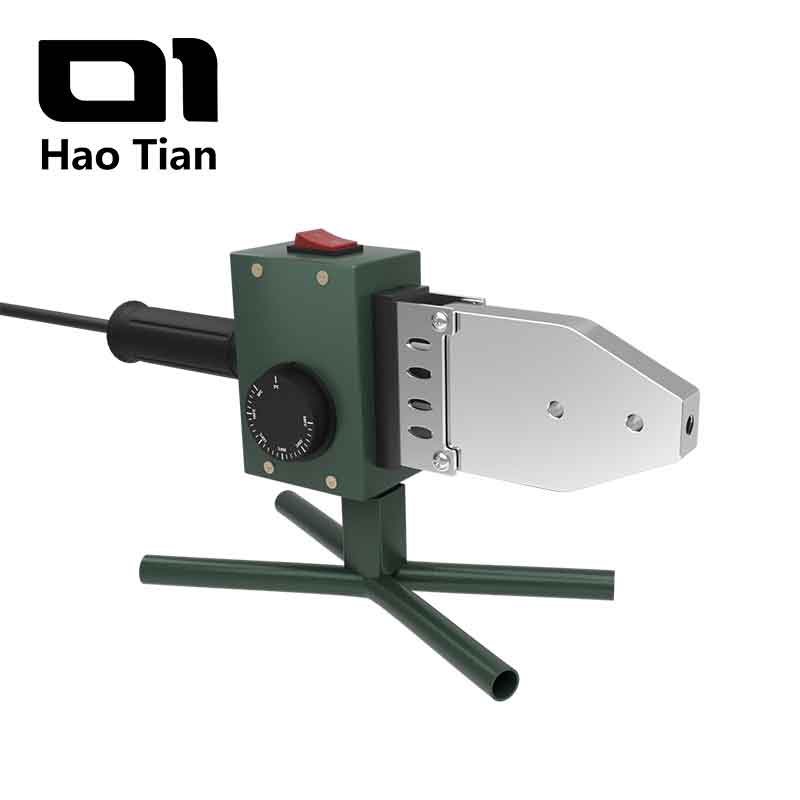
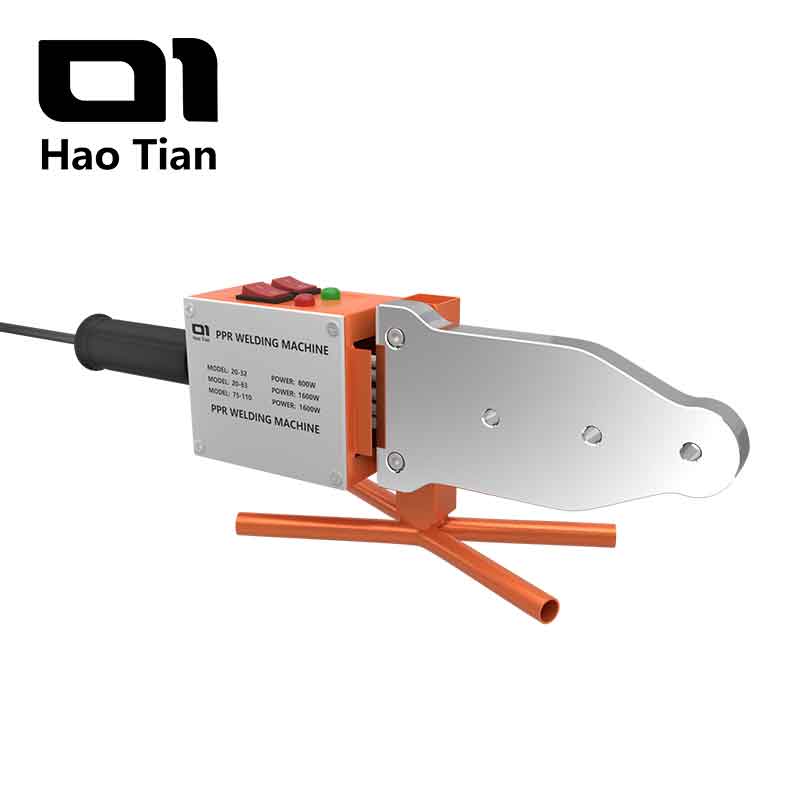
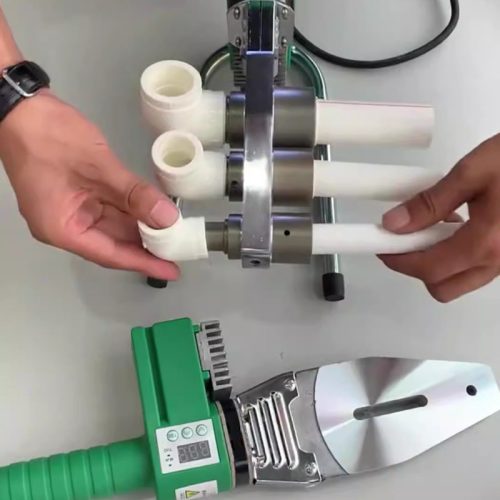
Before diving into safety tips, it’s important to understand what a PPR welding machine does. These machines are specifically designed to weld PPR pipes by heating their ends and pressing them together to create a strong bond. This method is widely used due to its reliability and durability.
There are several types of PPR welding machines, including:
- Socket Fusion Welding Machines: These are used for smaller diameter pipes and fittings.
- Butt Fusion Welding Machines: Suitable for larger diameter pipes.
- Electrofusion Welding Machines: Use electrical currents to fuse pipe ends.
Each type of machine has its specific use cases and safety requirements.
Ensuring safety while using PPR welding machines involves a combination of proper training, understanding the equipment, and following established safety protocols.
Always wear the right PPE when using a PPR welding machine. This includes:
- Safety Glasses: To protect your eyes from sparks or debris.
- Heat-Resistant Gloves: To shield your hands from high temperatures.
- Protective Clothing: Wear long sleeves and pants to prevent burns.
When welding, ensure that your workspace is well-ventilated. The welding process can release fumes that may be harmful if inhaled. If you’re working indoors, consider using exhaust fans or opening windows to improve air circulation.
Before starting any welding task, thoroughly inspect your PPR welding machine and associated tools. Check for any signs of wear or damage, such as frayed cables or damaged sockets. Using faulty equipment can lead to accidents or malfunctions.
Always adhere to the manufacturer’s instructions for operating the PPR welding machine. These guidelines are designed to ensure safe and efficient use of the equipment. If you are unsure about any aspect of the machine’s operation, consult the user manual or contact the manufacturer for clarification.
A cluttered workspace can increase the risk of accidents. Keep your work area tidy, ensuring that all tools and materials are organized and easily accessible. Remove any unnecessary items that could cause tripping or obstruction.
Whenever possible, avoid working alone when using a PPR welding machine. Having a colleague nearby can be beneficial in case of an emergency, as they can provide assistance or call for help if needed.
PPR welding machines require electricity to operate, so it’s crucial to follow electrical safety practices. This includes:
- Ensuring all electrical connections are secure and insulated.
- Avoiding the use of extension cords if possible.
- Keeping electrical components away from water.
Proper temperature control is critical when welding PPR pipes. Excessive heat can damage the pipes or cause the weld to fail. Use a thermometer to monitor the temperature and ensure it stays within the recommended range for the specific material you are working with.
When handling PPR pipes and welding equipment, use proper lifting techniques to avoid strain or injury. If the pipes are heavy or awkwardly shaped, consider using mechanical aids or asking for assistance.
Depending on the type of PPR welding machine you are using, there may be additional safety precautions to consider.
- Ensure the correct alignment of pipes and fittings before heating.
- Do not apply excessive pressure when joining pipes, as this can lead to weak joints.
- Ensure the pipes are clean and free of debris before welding.
- Allow sufficient cooling time before handling welded joints.
- Use only compatible fittings and pipes.
- Follow the precise timing and pressure guidelines provided by the manufacturer.
To operate a PPR welding machine safely, proper training and certification are essential. Many organizations offer training programs that cover the fundamental aspects of PPR welding, including safety protocols, machine operation, and troubleshooting techniques. Completing such a program can enhance your skills and confidence in using PPR welding machines.
By following these safety tips and taking the necessary precautions, you can minimize the risks associated with using PPR welding machines. Remember, safety is a continuous process that involves staying informed, being vigilant, and prioritizing the well-being of yourself and those around you. Whether you’re a seasoned professional or a beginner, these guidelines will help ensure a safe and efficient welding experience.