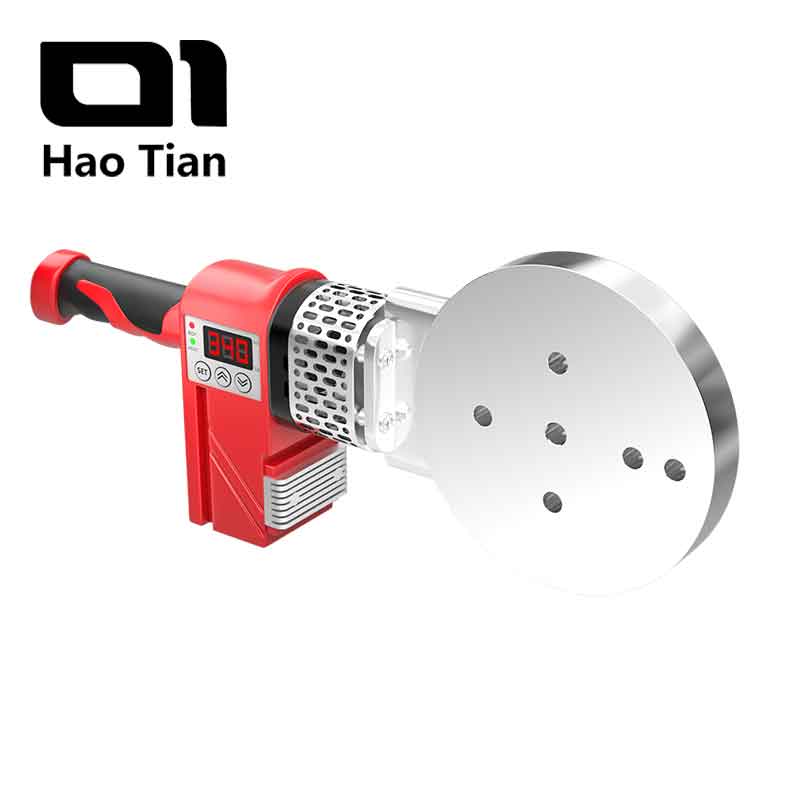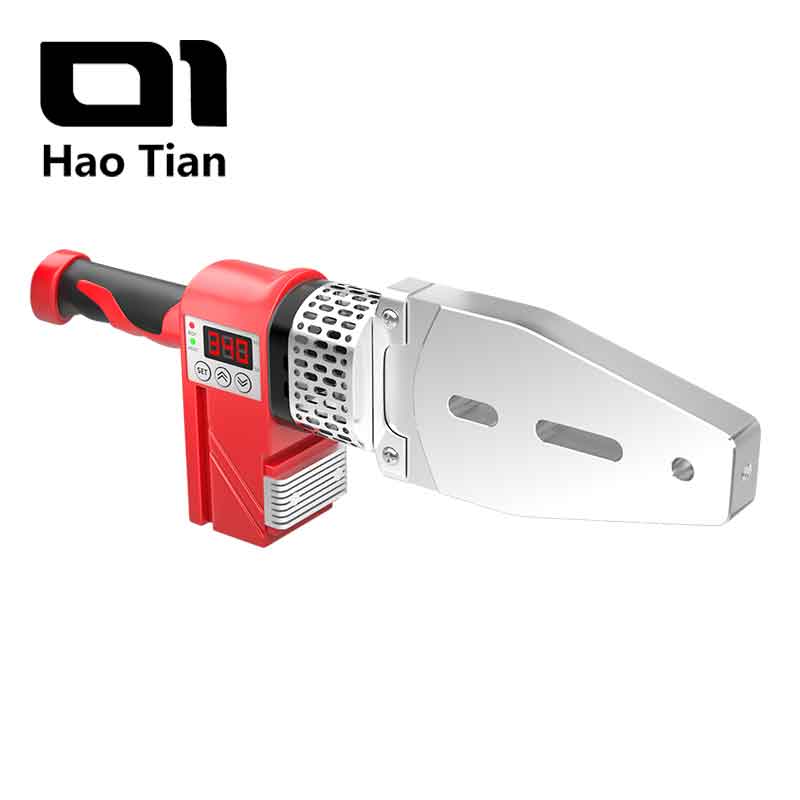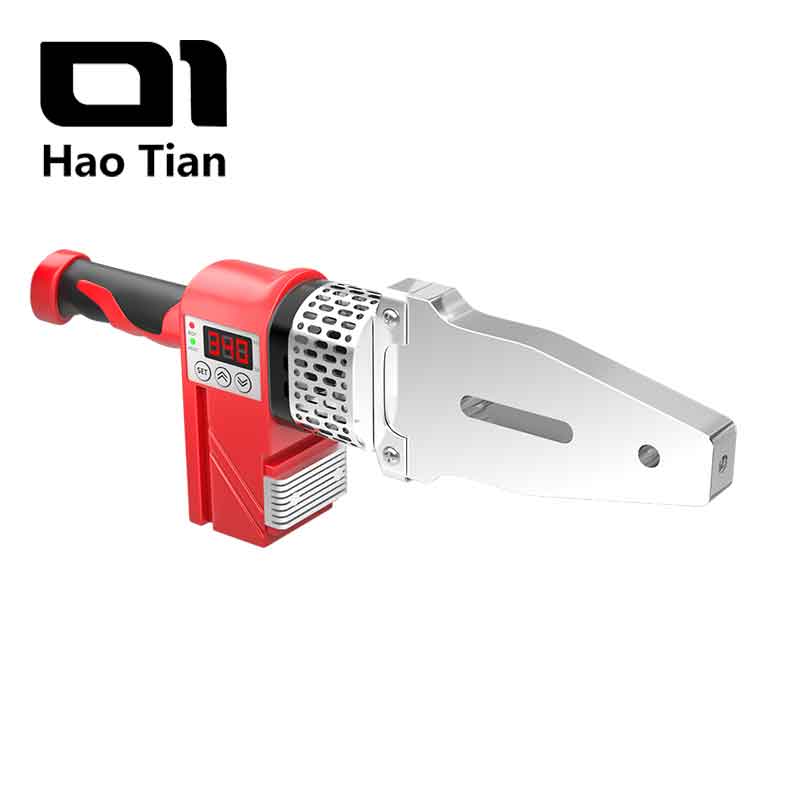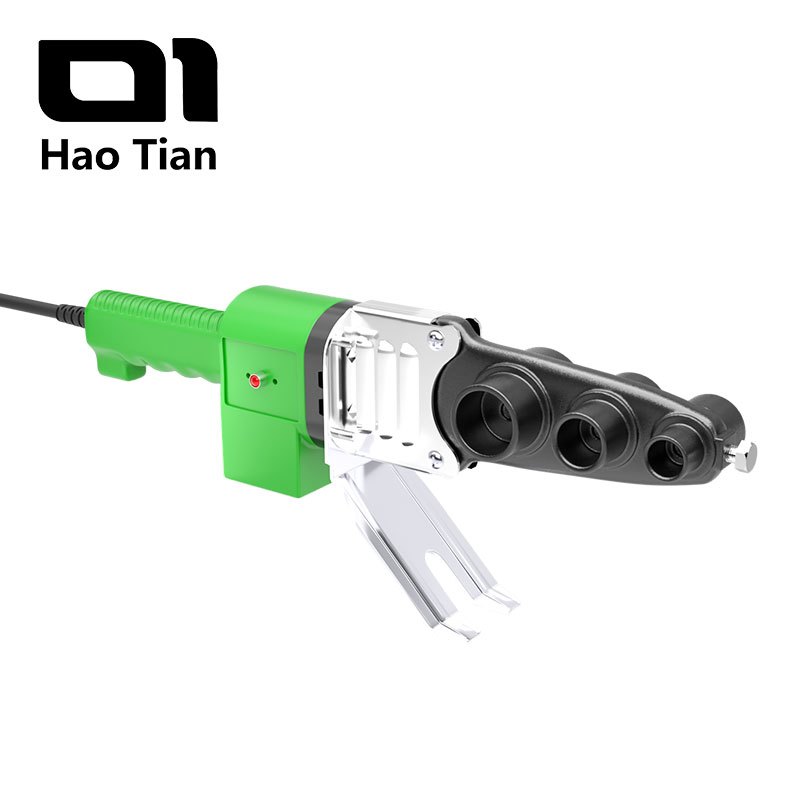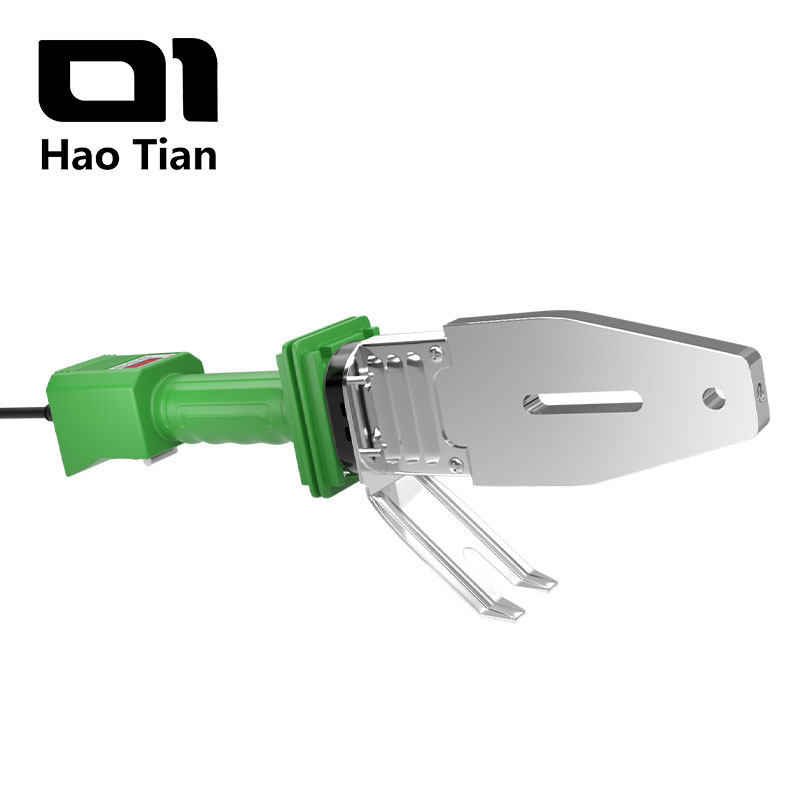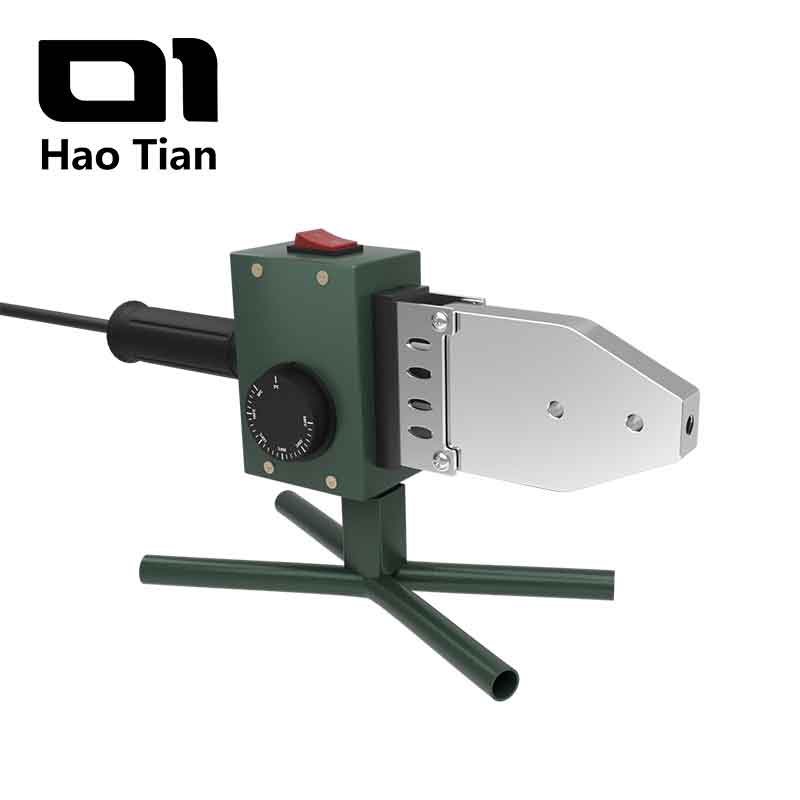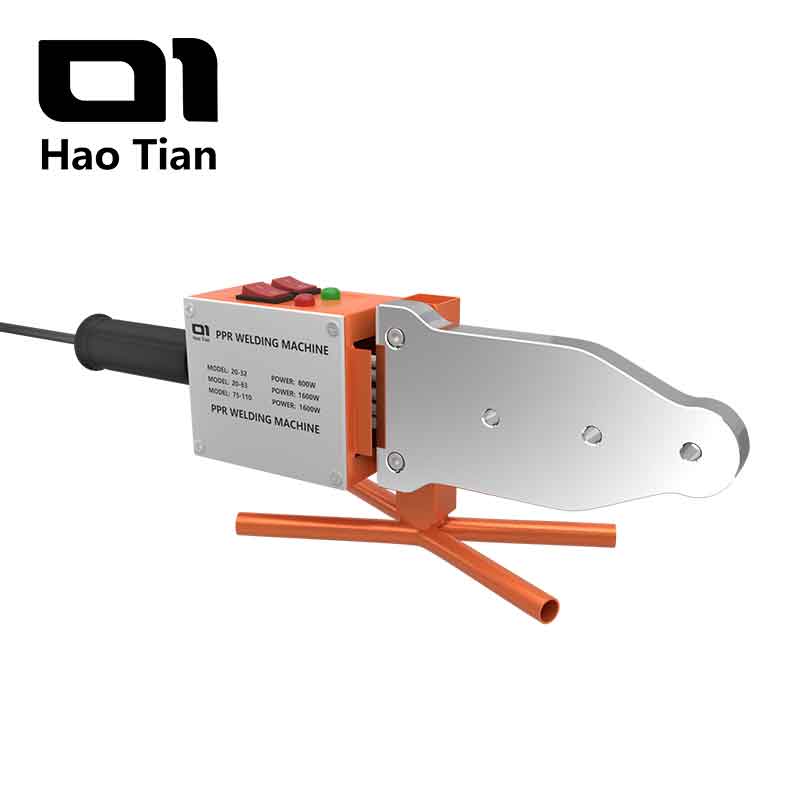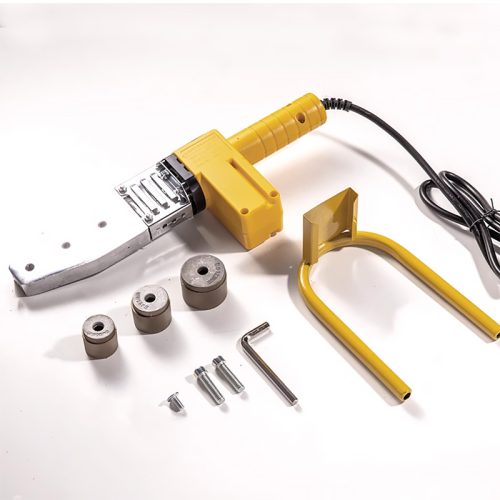
PPR (random copolymer polypropylene) fusion welding machines, as core tools for plastic piping systems, have become mainstream equipment in global pipeline engineering since their emergence in the 1970s. Integrating breakthroughs in materials science, automated control, and environmental concepts, their development has profoundly reshaped the global pipeline connection industry.
1. Technological Origins and International Market Foundation
- Innovation Leadership by German aquatherm
- In 1973, German company aquatherm developed the world’s first PP-R piping system. In 1978, it launched the patented fusion material Fusiolen®, revolutionizing “replacing metal pipes with plastic.” This material withstands 100°C temperatures, resists corrosion, lasts over 50 years, and emits no irritant gases during fusion, quickly becoming an international standard for potable water pipes.
- By the early 21st century, aquatherm products covered over 80 countries, holding >70% market share in Europe and North America. Certified to ISO 9001 and 100+ international standards, it established global technical authority.
- International Evolution of Connection Processes
- Parameter Standardization: Fusion procedures published by the German Welding Association (DVS) became the primary international reference. Later optimized by Ghent University (Belgium): temperatures increased from 215°C to 225°C, heating pressure reduced by 50%, improving efficiency and cutting energy consumption.
- Large-Diameter Breakthroughs: British Gas pioneered fully automatic butt fusion equipment, solving bottlenecks for pipes >315mm. The U.S. and Germany followed with semi/full-automatic models achieving “traceable welding quality.”
2. Technological Advancements: Automation and Intelligence
- Third-Generation Electrofusion Innovations
- Auto-Identification Systems: Electrofusion fittings integrated barcodes/magnetic cards, enabling welders to read parameters automatically and control fusion, reducing human error.
- Structural Optimization: Designs featuring wide fusion zones and extended insertion depths (e.g., Georg Fischer modular fittings) enhanced sealing and seismic resistance.
- Automation Transformation of Fusion Equipment
- Fully automatic welders became mainstream, exemplified by the U.S. Gas Research Institute’s (GRI) “SmartHeat” constant-temperature technology, enabling precise control while cutting assembly costs by 30%.
- Localization by Chinese Manufacturers: Shandong Zhongtong Electrofusion Factory introduced German technology to produce ZTRJQ-series welders compliant with DIN 8077, achieving ±1°C temperature control and exporting to 20+ countries including Vietnam and Russia.
3. Global Competitive Landscape: Rise and Challenges of Chinese Enterprises
- International Breakthrough of Chinese Manufacturers
- Companies like Shandong Zhongtong captured Southeast Asian and Middle Eastern markets through cost advantages (40% lower than European brands) and customized designs (e.g., anti-aging nylon handles, alloy aluminum molds).
- Technology Export Upgrades: Patented Chinese fusion machines (e.g., CN201510197570) integrated millimeter scales, timers, and dual-screw synchronous propulsion, solving concentricity deviations in small-diameter welding and securing international patents.
- Market Challenges and Strategic Responses
- Competition from Composite Pipes: In Europe, PPR pipes faced declining share due to poor low-temperature resistance (-20°C brittleness point) and rapid crack propagation (unsuitable for gas pipelines). German Kansen’s LBP press-fit systems, using metal-composite layers, offered 30% higher pressure resistance and 100-year lifespans.
- Countermeasures: aquatherm established global PPR R&D centers, using BIM modeling to cut on-site installation costs by 15%. Chinese firms developed halogen-free flame-retardant materials meeting RoHS standards to expand into European and American markets.
4. Future Trends: Green Transition and Digital Integration
- Environmental Drivers: EU regulations mandate 30% energy reduction for fusion equipment. German StrikoWestofen’s furnace technology achieved compliance through alloy liners and heat recovery designs, accelerating the phaseout of high-emission models.
- Digital Twin Applications: aquatherm’s BIM pipe prefabrication systems enable full-process traceability from design to maintenance, reducing construction errors by 20%.
Conclusion: Technological Sovereignty Defines Market Influence
The globalization of PPR fusion welding machines reflects the interplay of material innovation, automation upgrades, and standardization competition. As Chinese firms evolve from followers to standard-setters (e.g., participating in ISO 12176 revisions), breakthroughs in green processes (solvent-free fusion) and intelligent controls (AI parameter optimization) will be critical to withstand the global substitution wave of composite pipes.
Table: International Evolution of Fusion Connection Parameters
Period Temperature Control Pressure Adjustment Core Innovations 1980s-1990s 215°C (DVS) 0.18 MPa Semi-automatic welders, wall-thickness adaptability 2000s-2010s 225°C (Ghent Univ.) Reduced by 50% Fully automatic welders, SmartHeat 2020s-Present ±1°C precision Dynamic adjustment Digital ID systems, BIM prefabrication
Table: Electrofusion vs. Butt Fusion Technologies
Technology Applicable Scenarios Advantages Limitations Electrofusion All pipe sizes, dissimilar materials Auto-parameter ID, <5% human error Copper wires accelerate PPR aging Butt Fusion Pipes >63mm, homogeneous materials Joint strength = pipe body, 30% cost savings Temperature-sensitive (requires -5°C protection)