1. Defining PPR Fusion Welding
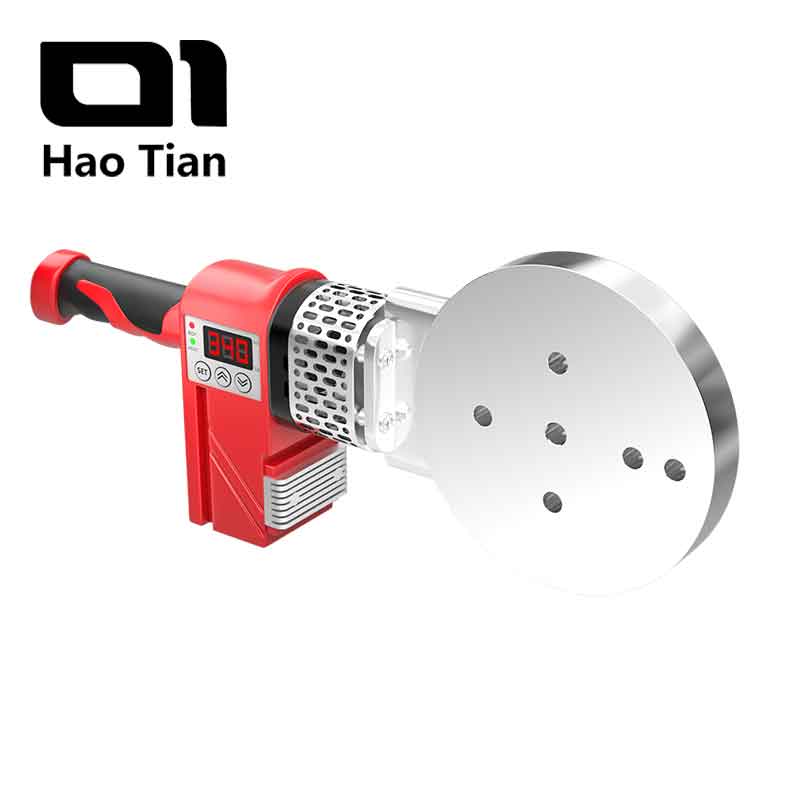
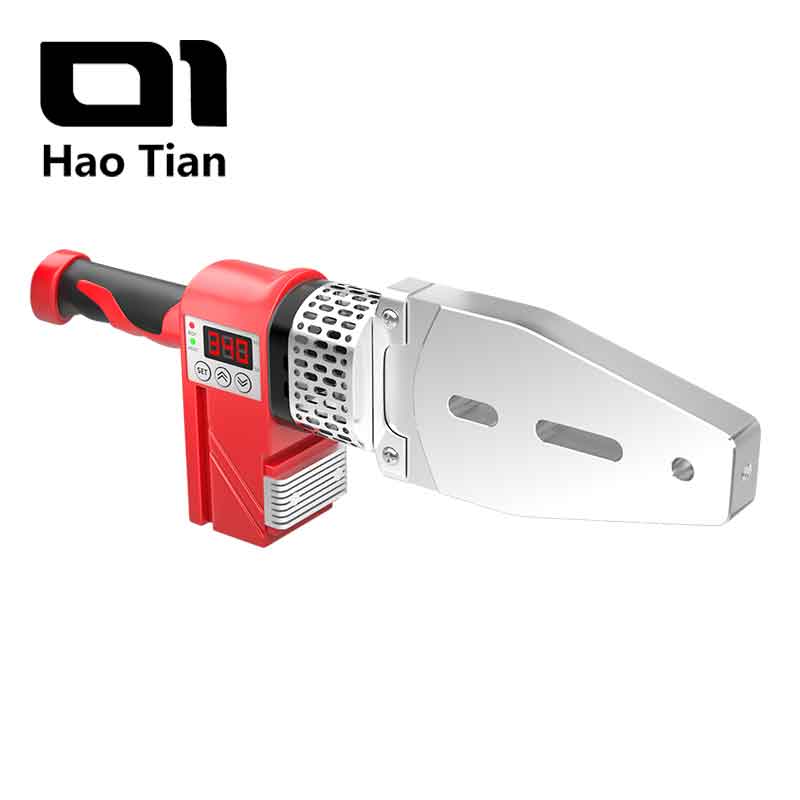
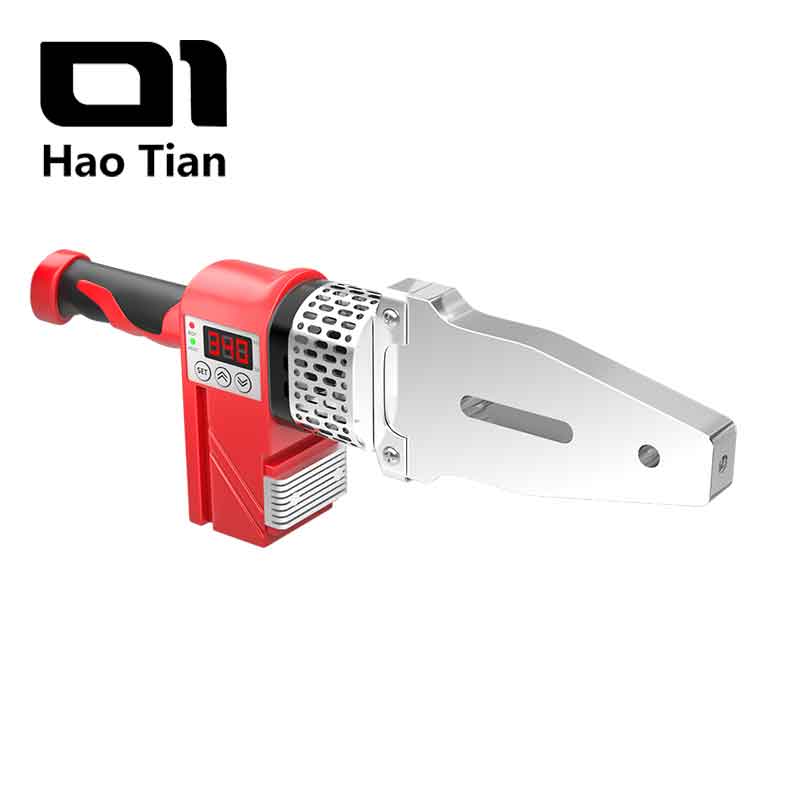
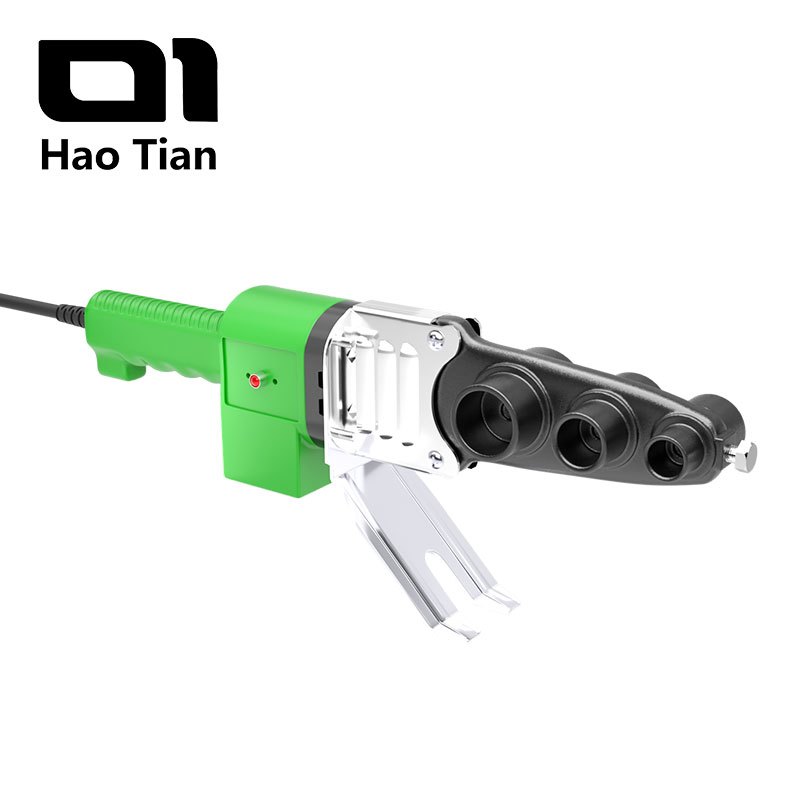
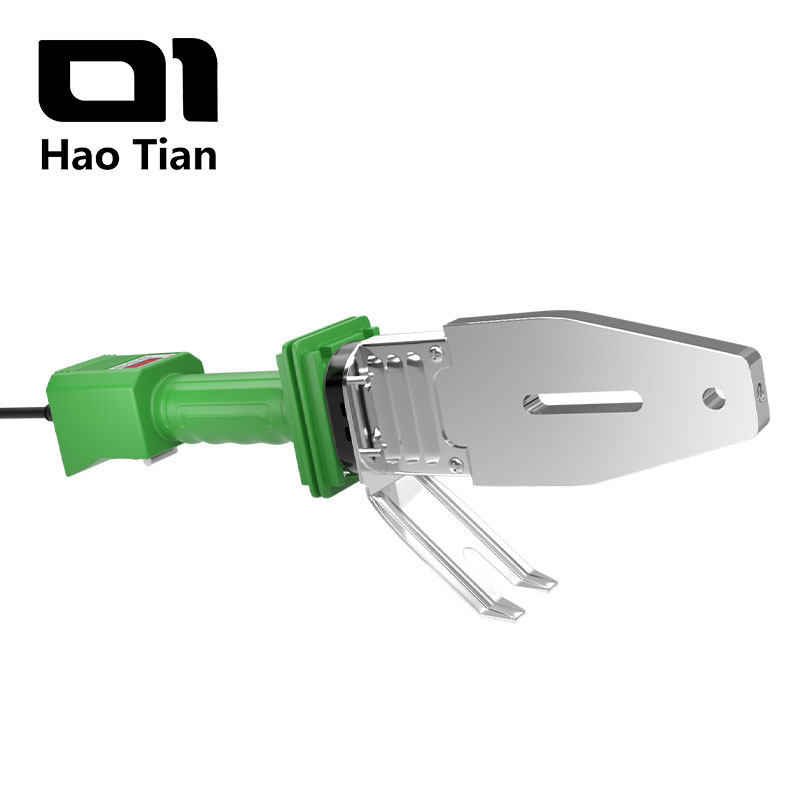
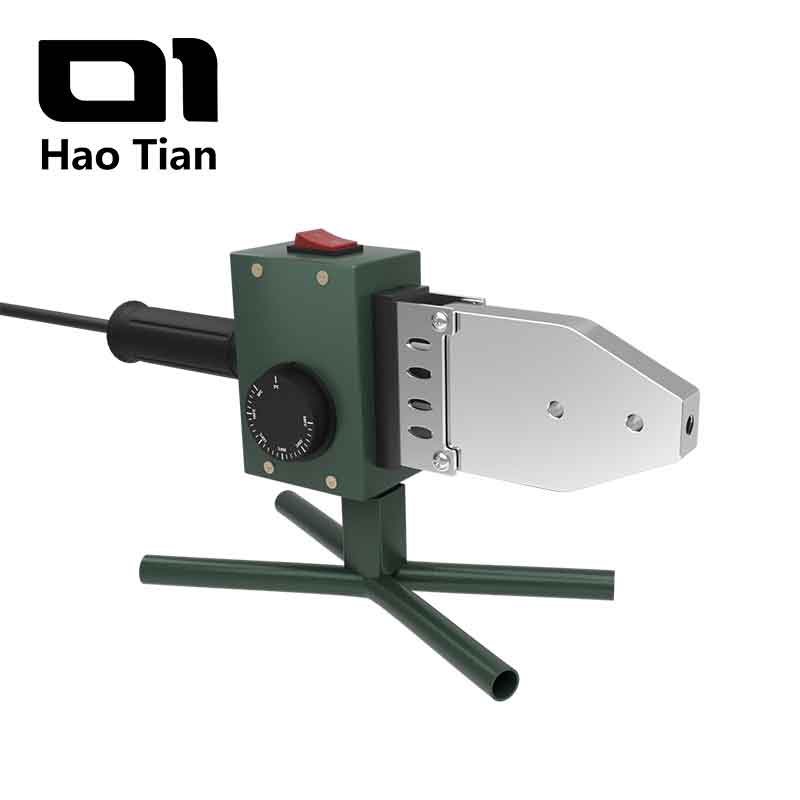
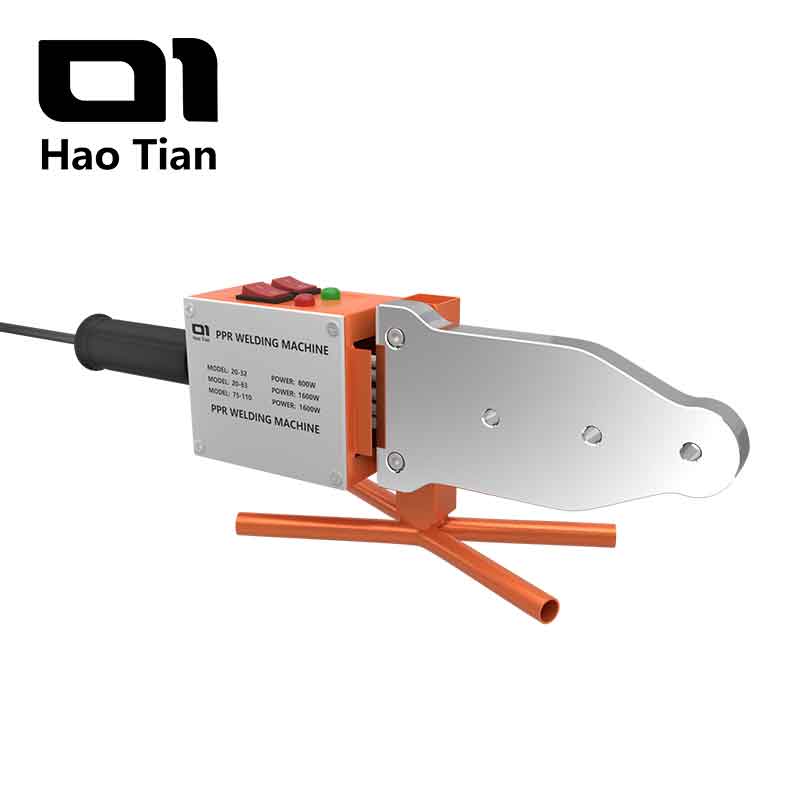
A PPR fusion welder (also called a polypropylene random copolymer welding machine) is a specialized tool that permanently joins PPR pipes by heating their ends to 260±10°C (per ISO 12176 standards). This creates a leak-proof, molecular-level bond stronger than the pipe itself.
Core Components:
- Heating Plate: Precision-controlled hot surface (typically Teflon-coated)
- Thermostat: Maintains ±1°C temperature accuracy
- Clamping Jaws: Secures pipes during heating/cooling
- Cutting Tool: Trims pipe ends for perfect alignment
2. How It Works: The Science Behind Fusion
PPR welding relies on thermal diffusion:
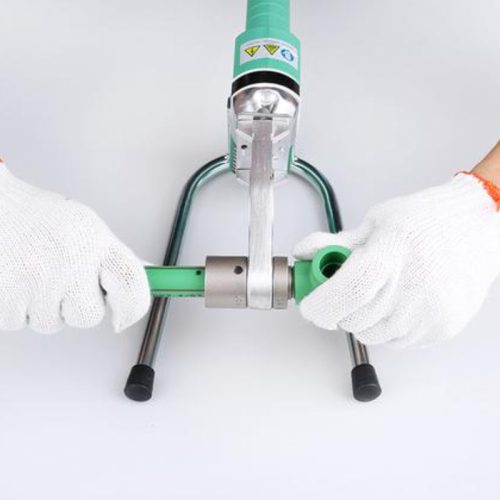
- Heating Phase: Pipe ends are pressed against the heating plate for a preset time (e.g., 5-15 seconds for 20mm pipes).
- Molecular Mixing: At 260°C, PPR polymer chains become fluid and intermix.
- Cooling Phase: Joined pipes cool under pressure, forming a monolithic structure.
Critical Parameters:
- Temperature: 260°C ±10°C (ISO 12176 requirement)
- Heating Time: 1 second per mm of pipe diameter
- Cooling Time: 2x heating time (minimum)
3. Why PPR? Key Material Advantages
| Property | PPR Pipe | Traditional Metal Pipes |
|---|---|---|
| Corrosion | Immune | Rusts over time |
| Weight | 1/8th of copper | Heavy |
| Lifespan | 50+ years | 20-30 years |
| Installation | 3x faster | Requires threading |
4. Applications: Where PPR Welders Excel
- Potable Water Systems: Non-toxic, bacteria-resistant joints
- HVAC Networks: Handles 95°C continuous fluid temperatures
- Industrial Piping: Chemical-resistant for factories
- Solar Thermal Systems: Withstands pressurization cycles
Emerging Use: Biopharmaceutical labs use sterile PPR pipes for pure water distribution.
5. Modern Innovations: Smart Welding Tech
- Auto Temperature Compensation: Adjusts heat for ambient conditions (e.g., humid climates)
- Magnetic Alignment Systems: Ensures ≤0.1mm pipe deviation
- IoT Connectivity: Tracks weld data for quality assurance (e.g., Germany’s aquatherm BIM)
6. Choosing a Welder: 4 Critical Factors
- Precision Control: Verify ±1°C accuracy certification
- Power Stability: 220V/50Hz models for Southeast Asia; 110V/60Hz for Americas
- Safety Features: Overheat cutoff and insulated handles
- Compliance: Look for ISO 12176, ASTM F2620, or DIN 8077 marks
7. Avoiding Common Welding Failures
- Issue: Weak Joints
Cause: Insufficient heating time or pressure
Fix: Follow manufacturer’s diameter-time chart - Issue: Pipe Misalignment
Cause: Uneven trimming or clamping
Fix: Use integrated pipe cutters and alignment gauges - Issue: Material Degradation
Cause: Overheating (>280°C) or contaminated plate
Fix: Clean plates after each weld; replace Teflon coatings yearly