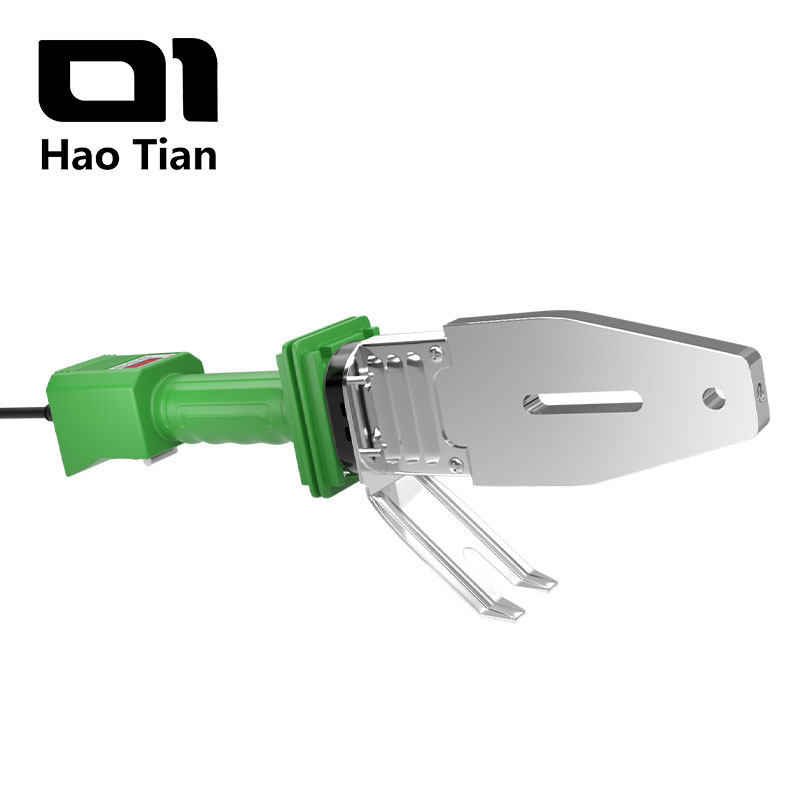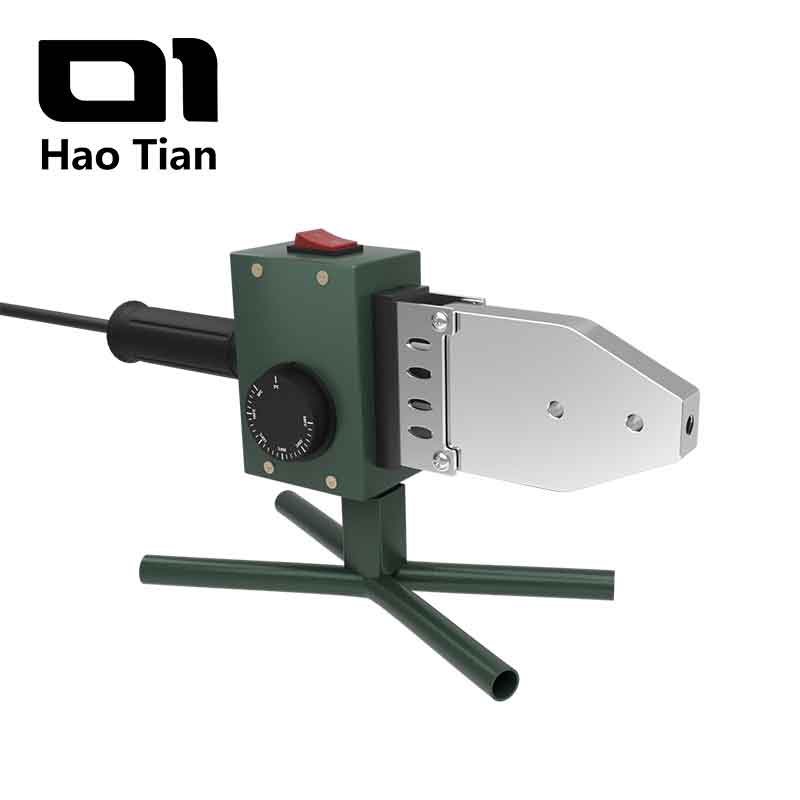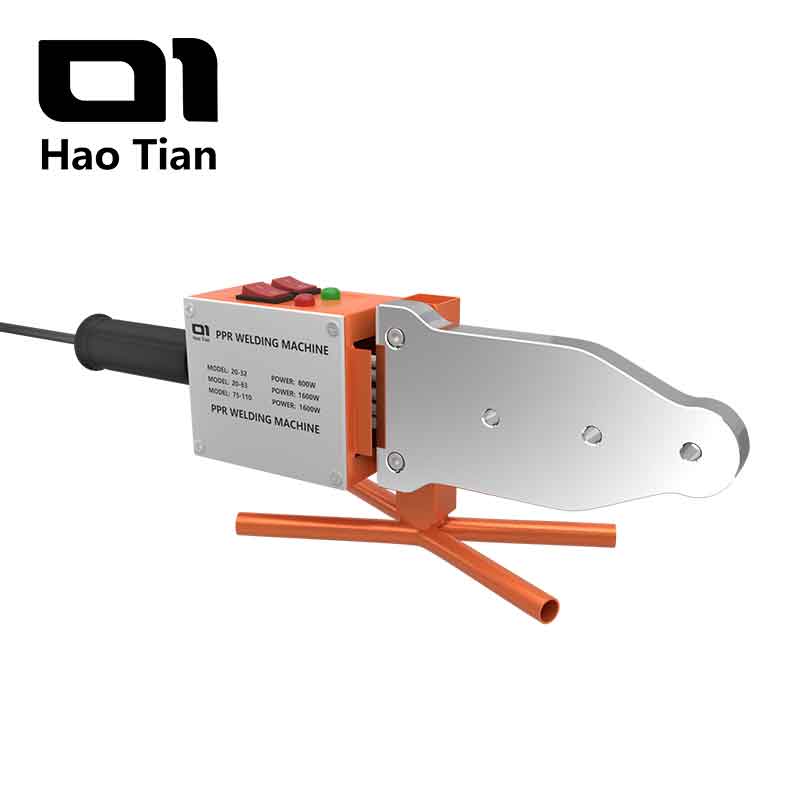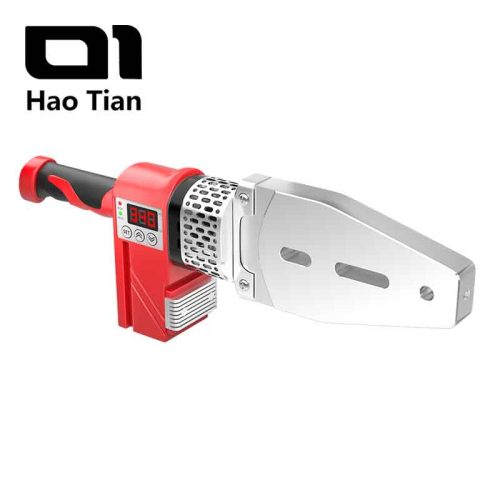
플라스틱 수도관 용접기란 무엇인가요?
플라스틱 수도관 용접기는 PPR, HDPE, PP와 같은 열가소성 파이프를 열융합 기술을 통해 접합하는 데 사용되는 전문 장비입니다. 이 기계는 파이프 표면을 제어된 온도로 가열하고 압력을 가함으로써 분자 수준의 결합 영구적이고 누출이 없는 연결을 형성합니다.
기존의 이음 방식과 달리, 이 공정은 취약점을 제거하므로 현대적인 상수도 시스템에 가장 선호되는 솔루션입니다.
그러나 모든 플라스틱 파이프에 용접이 필요한 것은 아닙니다. 재질에 따라 연결 방법이 다르므로, 장비를 선택하기 전에 이러한 차이점을 제대로 파악하는 것이 매우 중요합니다.
플라스틱 파이프 연결 방법: 차이점 이해하기
실제 적용 사례에서 플라스틱 파이프는 재질에 따라 크게 세 가지 방식으로 연결됩니다:
PVC 파이프 – 접착식 연결 (용접 불필요)
PVC 파이프는 일반적으로 용제형 접착제(풀)를 사용하여 이음합니다.
- 방법: 화학적 결합
- 용도: 배수, 저압 시스템
- 장비: 용접기가 필요하지 않습니다
PVC 시스템은 비용 효율적이며 설치가 빠르지만, 열융착 방식에 비해 내구성이 떨어지며, 특히 압력이나 고온 환경에서는 더욱 그렇습니다.
PPR 파이프 – 소켓 융착 용접
PPR 파이프는 온수 및 냉수 공급 시스템에 널리 사용되며, 다음이 필요합니다. 소켓 융착 용접.
- 방법: 열융착 (가열된 피팅에 파이프를 삽입)
- 크기 범위: 일반적으로 20mm–63mm
- 장비: 소켓 융착 용접기
이 방법은 간단하고 신뢰할 수 있어 주거용 및 상업용 배관 공사에서 가장 널리 사용되는 용접 방식입니다.
PE/HDPE 파이프 – 맞대기 융착 용접
HDPE 및 PE 파이프는 인프라 및 산업 시스템에 사용되며, 다음을 사용하여 연결됩니다. 맞대기 융합 용접.
- 방법: 종단 간 열융착
- 크기 범위: 보통 63mm 이상
- 장비: 맞대기 융착 용접기
이 공법은 매우 견고한 접합부를 형성하며, 고압 및 지하 환경에 적합합니다.
전기 융착 – 고정밀 응용 분야
전기 융착 용접은 엄격한 기준이 요구되는 특수 시스템에 사용됩니다.
- 발열체가 내장된 피팅 사용
- 전기 융착기에 의해 제어됨
- 가스 및 도시 인프라 프로젝트에서 흔히 사용됨
플라스틱 파이프 용접기는 어떻게 작동하나요?
용접 방식의 시스템(PPR 및 HDPE)의 경우, 공정은 다음 세 단계로 이루어집니다:
1. 난방
파이프와 이음쇠를 특정 온도(일반적으로 재질에 따라 200°C~300°C)까지 가열합니다.
2. 퓨전
부드러워진 표면들이 서로 밀착되면서 분자 간 상호 침투가 이루어집니다.
3. 냉각
이 접합부는 이음매가 없는 고강도 접합부로 굳어집니다.
그 결과 균일한 파이프라인 구조, 누출 위험을 크게 줄여줍니다.
플라스틱 수도관 용접기의 종류
용도에 따라 필요한 기계 유형이 다릅니다:
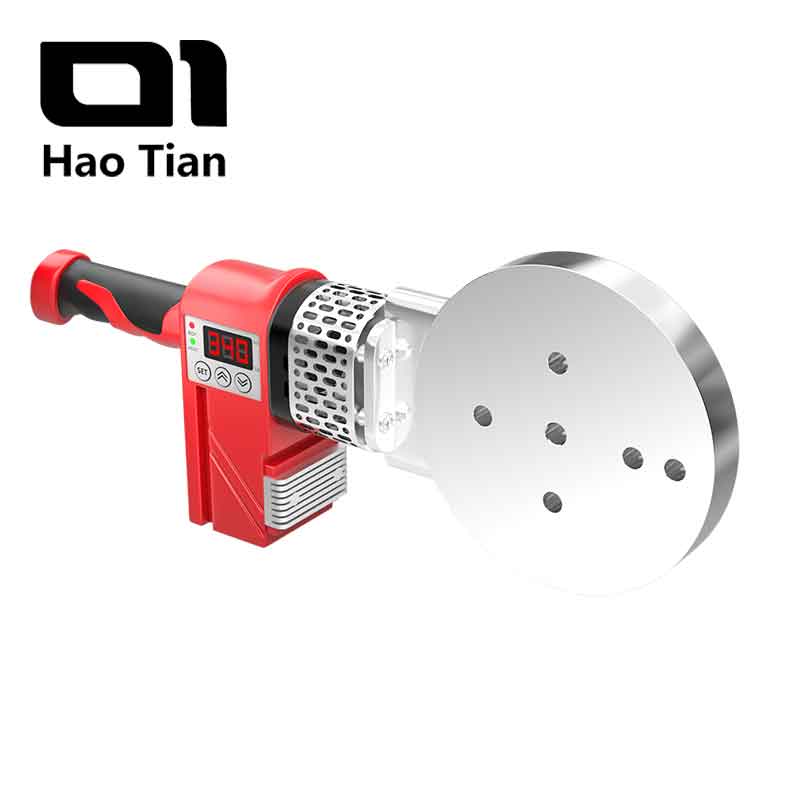
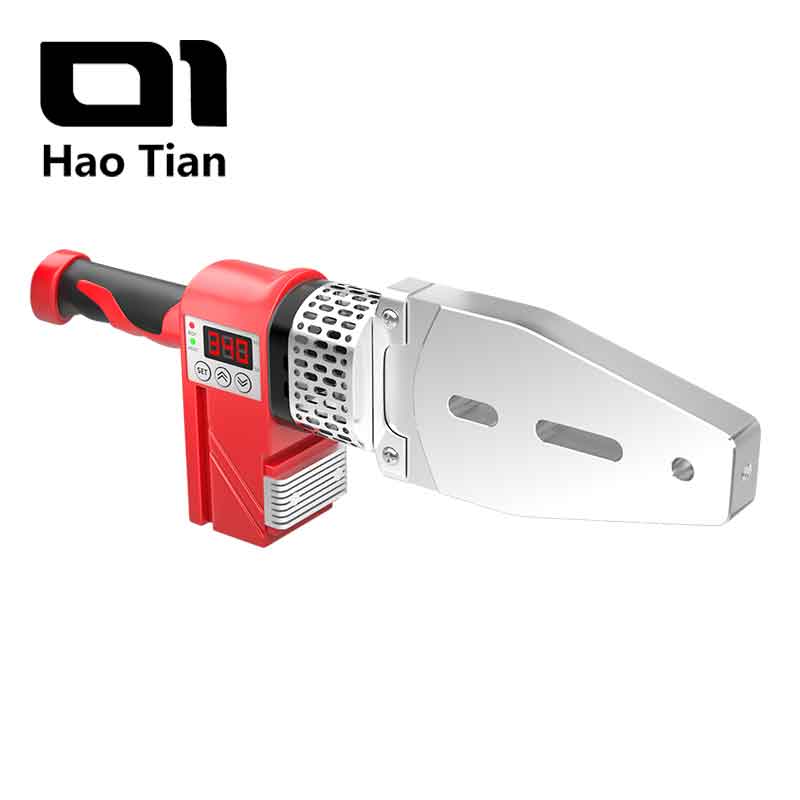
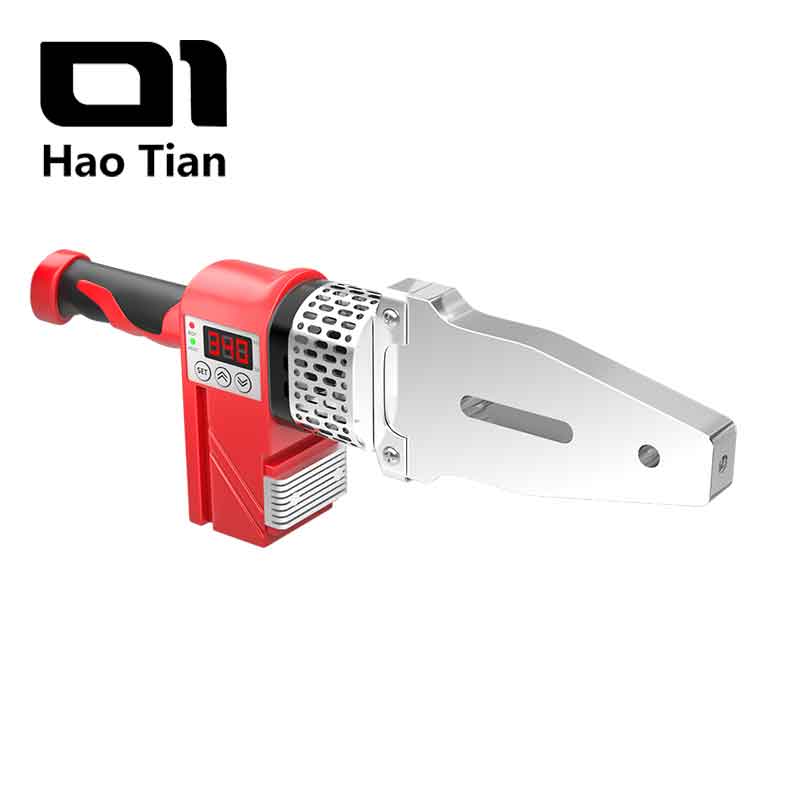
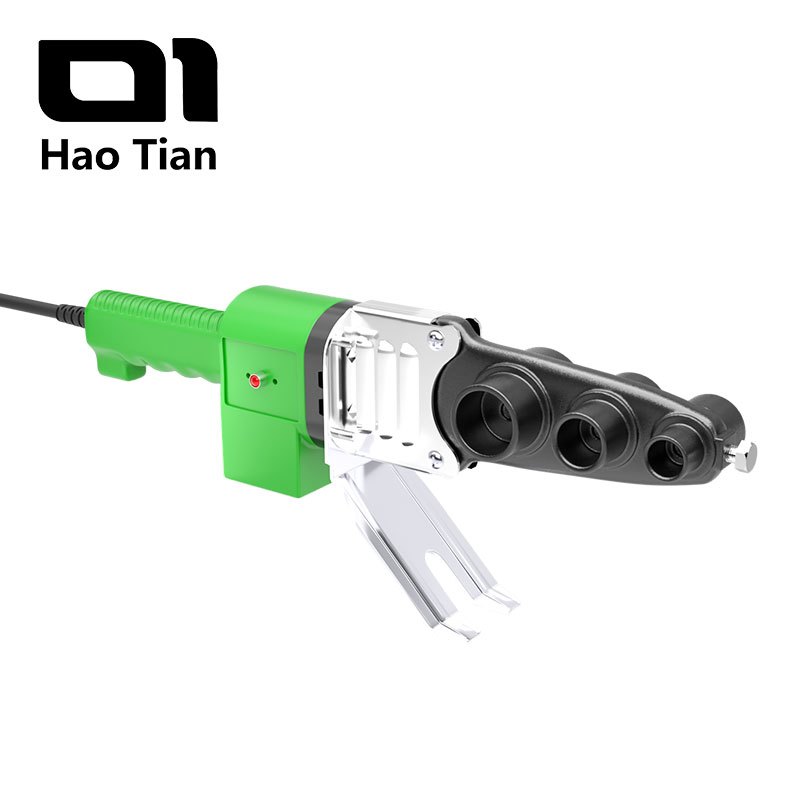
소켓 융착 용접기 (PPR)
- 컴팩트하고 휴대하기 편리함
- 소구경 파이프용으로 설계됨
- 설치업체 및 유통업체에 이상적입니다
버트 융착 용접기 (HDPE / PE)
- 중장비
- 대구경 파이프에 사용됩니다
- 정렬 및 압력 제어 시스템이 필요합니다.
일렉트로퓨전 용접기
- 디지털 방식이며 정밀함
- 규제 대상 환경에서 사용됨
- 비용은 더 들지만 일관성은 더 높다
다양한 산업 분야의 적용 사례
플라스틱 파이프 용접기는 다음 분야에서 필수적입니다:
- 주거용 배관 시스템
- 상업용 상수도 사업
- 도시 인프라
- 농업용 관개 시스템
- 산업용 유체 이송
분야마다 주를 이루는 소재가 다릅니다:
- PPR → 건물 및 실내 설비
- HDPE → 인프라 및 실외 배관
- PVC → 배수 및 저압 용도
적합한 플라스틱 수도관 용접기를 선택하는 방법
적합한 기계를 선택하는 것은 단순히 사양만 고려하는 문제가 아니라, 해당 시장과 고객에 따라 달라집니다.
1. 배관 재질 확인
- PPR → 소켓 접합기
- HDPE → 맞대기 용접기
2. 파이프 크기 범위 결정
- 20–63mm → 일반 배관 시장
- 75–110mm → 중거리 수요 증가
- 더 큰 규모 → 산업 프로젝트
3. 온도 제어 시스템
- 디지털 방식: 더 높은 정확도와 안정성
- 지침: 생필품 비용 절감
4. 전력 및 효율
출력이 높을수록 가열 속도가 빨라지고 현장 생산성이 향상됩니다.
5. 적용 환경
- 현장 작업용 휴대용 장비
- 작업장용 고성능 기계
열융합 용접의 주요 장점
(PVC 시스템과 같은) 접착 방식에 비해 용접은 다음과 같은 장점을 제공합니다:
- 100% 누수 방지 연결부
- 더 높은 내압성
- 더 긴 수명
- 온수 시스템에서 향상된 성능
이것이 바로 PPR 및 HDPE 시스템이 많은 시장에서 기존 자재를 대체하고 있는 이유입니다.
흔히 발생하는 문제와 이를 예방하는 방법
과열
파이프 변형을 유발합니다
→ 정확한 온도 조절을 하십시오
정렬 오류
관절이 약해지게 된다
→ 올바른 위치에 놓이도록 하십시오
압력 부족
결합이 불완전하게 이루어짐
→ 유합 시 일정한 힘을 가하십시오
부적절한 공정 선정
PVC에 용접을 사용하거나 해당 재료에 부적절한 방법을 적용한 경우
→ 공정을 파이프 유형에 맞게 선택하십시오
OEM 플라스틱 수도관 용접기 솔루션
유통업체 및 브랜드 소유주 여러분께, OEM 서비스 는 시장 확대에 있어 매우 중요합니다.
전문 제조업체는 다음과 같은 서비스를 제공할 수 있습니다:
- 맞춤형 브랜딩 (로고, 색상, 포장)
- 전압 및 플러그 맞춤 설정
- 완전한 액세서리 세트
- 유연한 생산 옵션
이를 통해 다음과 같은 기능을 이용할 수 있습니다. 나만의 브랜드를 구축하고 마진을 높여보세요 제조 분야에 투자하지 않고서.
전문 제조업체와 협력하는 이유는 무엇인가요?
신뢰할 수 있는 공급업체는 다음을 보장합니다:
- 일관된 제품 품질
- 경쟁력 있는 가격
- 빠른 배송
- OEM/ODM 역량
- 글로벌 시장에서의 경험
이를 통해 위험을 줄이고 장기적인 사업 성장을 뒷받침합니다. 적합한 플라스틱 파이프 용접 솔루션을 찾아보세요.
귀사의 사업이 PPR 또는 HDPE 시스템에 중점을 두고 있다면, 적합한 용접기 공급업체를 선택하는 것이 필수적입니다.
제조사와 직접 협력하면 다음과 같은 이점을 누릴 수 있습니다:
- 더 나은 가격
- 일관된 품질
- 유연한 OEM 솔루션
문의하기 오늘 바로 문의하시면 귀사의 시장에 맞는 제품 상세 정보, 가격 및 맞춤형 솔루션을 확인하실 수 있습니다.